


Can a straight pipe be used in an oil pipeline? This is a question that often arises in the oil and gas industry. As a straight pipe supplier, I have extensive knowledge and experience in this area, and I'm excited to share my insights with you.
Understanding the Basics of Straight Pipes
Straight pipes are simple in design, consisting of a cylindrical tube with a constant diameter throughout its length. They are commonly made from various materials such as steel, stainless steel, and other alloys, each with its own set of properties and advantages. The simplicity of straight pipes makes them easy to manufacture, install, and maintain, which is why they are widely used in many industrial applications.
In the context of oil pipelines, the use of straight pipes has both advantages and challenges. Let's start by looking at the advantages.
Advantages of Using Straight Pipes in Oil Pipelines
1. Flow Efficiency
One of the primary advantages of using straight pipes in oil pipelines is the improved flow efficiency. Unlike pipes with bends or elbows, straight pipes offer a smooth and uninterrupted path for the oil to flow. This reduces the friction between the oil and the pipe walls, minimizing energy losses and allowing for a more efficient transportation of the oil. As a result, less energy is required to pump the oil through the pipeline, which can lead to significant cost savings in the long run.
2. Ease of Installation and Maintenance
Straight pipes are relatively easy to install compared to pipes with complex geometries. They can be quickly assembled on - site, reducing the installation time and labor costs. Additionally, maintenance is simpler as there are fewer components that can fail. Inspections, repairs, and replacements are more straightforward, which helps to minimize downtime and keep the pipeline operating smoothly.
3. Cost - Effectiveness
The manufacturing process of straight pipes is less complex than that of pipes with bends or special shapes. This generally translates to lower production costs, making straight pipes a more cost - effective option for large - scale oil pipeline projects. Moreover, the reduced energy consumption and ease of maintenance further contribute to the overall cost - effectiveness of using straight pipes.
Challenges of Using Straight Pipes in Oil Pipelines
1. Thermal Expansion and Contraction
Oil pipelines are exposed to varying temperatures, and this can cause the pipes to expand or contract. Straight pipes are more prone to the effects of thermal expansion and contraction compared to pipes with bends, which can absorb some of the stress. If not properly addressed, thermal expansion can lead to pipe failures, such as buckling or cracking. To mitigate this issue, expansion joints or other compensation devices may need to be installed at regular intervals along the pipeline.
2. Terrain Adaptability
In some cases, the terrain where the oil pipeline is to be laid may be uneven or have obstacles. Straight pipes may not be able to adapt easily to such terrains without the use of additional support structures or pipe - bending techniques. For example, in mountainous regions, the pipeline may need to follow the contours of the land, which may require the use of pipes with bends or special fittings.
Our Product Offerings
As a straight pipe supplier, we offer a wide range of high - quality straight pipes suitable for oil pipeline applications. Our Stainless Steel Car Flexible Pipe is made from premium stainless steel, providing excellent corrosion resistance and durability. It is designed to withstand the harsh conditions of oil transportation and is suitable for both on - shore and off - shore pipelines.
We also have the Grade 2 Car Exhaust Pipe, which is known for its high strength and excellent formability. This pipe is ideal for applications where high - pressure and high - temperature resistance are required.
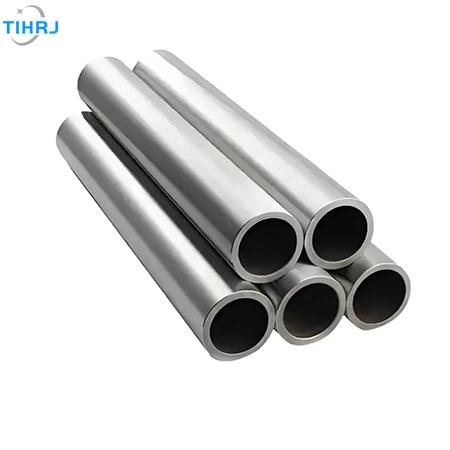
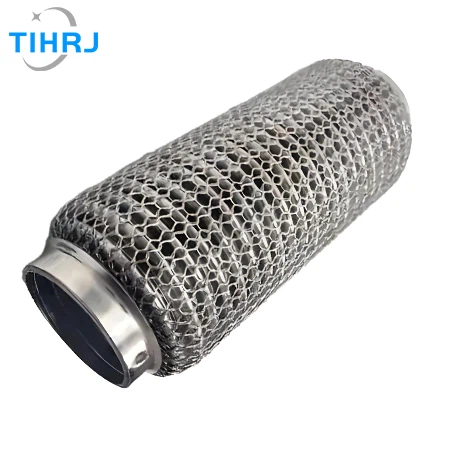
In addition, our Car Exhaust Flexible Pipes offer flexibility while maintaining the benefits of straight pipes. These flexible pipes can help to address some of the challenges related to thermal expansion and terrain adaptability, making them a versatile option for oil pipeline projects.
Case Studies
Let's take a look at some real - world examples of the use of straight pipes in oil pipelines. In a large - scale on - shore oil pipeline project in the Middle East, straight pipes were used for the majority of the pipeline length. The project team chose straight pipes for their cost - effectiveness and flow efficiency. By carefully designing the pipeline route and installing expansion joints at appropriate intervals, they were able to overcome the challenges related to thermal expansion. The pipeline has been operating successfully for several years, delivering oil to the refineries with minimal issues.
In another project in South America, a combination of straight pipes and flexible pipes was used to adapt to the mountainous terrain. The straight pipes were used in the relatively flat sections, while the flexible pipes were installed in the areas with steep slopes or sharp turns. This approach allowed for a more efficient and reliable pipeline system, demonstrating the importance of choosing the right type of pipes based on the specific project requirements.
Conclusion
In conclusion, straight pipes can be effectively used in oil pipelines, offering numerous advantages such as flow efficiency, ease of installation and maintenance, and cost - effectiveness. However, it is important to be aware of the challenges, such as thermal expansion and terrain adaptability, and to take appropriate measures to address them.
If you are involved in an oil pipeline project and are considering the use of straight pipes, we are here to help. Our team of experts can provide you with the technical support and advice you need to choose the right pipes for your project. Whether you need standard straight pipes or custom - designed solutions, we have the products and the expertise to meet your requirements. Contact us today to start a discussion about your project and explore how our straight pipes can benefit your oil pipeline.
References
- "Pipeline Engineering for Liquid and Gas Transmission and Processing" by John D. Mattheis and Eugene Y. Lee
- "Handbook of Pipeline Design" by George A. Antaki
- Industry reports on oil pipeline construction and operation from leading research firms



