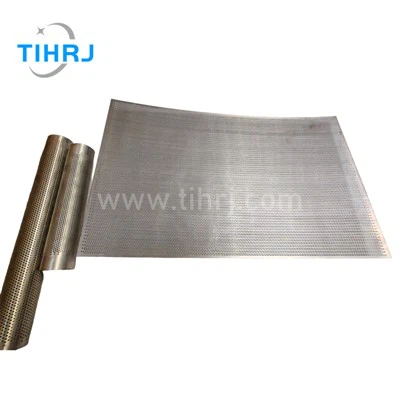
Perforated systems are widely used in various industries, offering unique solutions for applications such as filtration, ventilation, and decorative purposes. As a perforated supplier, I've encountered numerous challenges during the installation process. In this blog, I'll delve into the installation difficulties of perforated systems and share some insights on how to overcome them.
Material - related Difficulties
One of the primary challenges in installing perforated systems is dealing with different materials. Perforated systems can be made from a variety of materials, including metals like steel, aluminum, and Titanium Perforated Plate and Titanium Perforated Tube. Each material has its own set of properties that can affect the installation process.
Hardness and Ductility
Metals like steel are relatively hard, which can make cutting and shaping difficult during installation. Specialized tools are often required to cut through steel perforated sheets or tubes. On the other hand, softer metals like aluminum are more ductile but can be prone to bending or warping during handling. This means that extra care must be taken to ensure that the perforated components maintain their shape during installation.
Corrosion Resistance
Some perforated materials, such as titanium, offer excellent corrosion resistance. However, this can also present challenges during installation. Titanium is a reactive metal, and improper handling can lead to surface contamination, which may affect its corrosion - resistant properties. Additionally, welding titanium requires specialized techniques and equipment, as it has a high melting point and is prone to oxidation.
Precision and Alignment
Perforated systems often require a high degree of precision during installation. The holes in the perforated materials need to be properly aligned to ensure the system functions as intended.
Hole Size and Spacing
The size and spacing of the holes in a perforated system are crucial. If the holes are not evenly spaced or if the size is inconsistent, it can affect the performance of the system. For example, in a filtration system, uneven hole spacing can lead to uneven flow distribution, reducing the efficiency of the filtration process. During installation, it is essential to measure and mark the holes accurately to ensure proper alignment.
Panel and Component Alignment
When installing multiple perforated panels or components, alignment becomes even more critical. Misaligned panels can create gaps or overlaps, which can compromise the integrity of the system. This is especially important in applications where the perforated system needs to provide a seal or a specific flow pattern.
Mounting and Fixing
Mounting and fixing perforated systems securely is another significant challenge. The method of mounting depends on the application and the type of perforated material.
Surface Preparation
Before mounting a perforated system, the surface where it will be installed needs to be properly prepared. This may involve cleaning, leveling, and sometimes priming the surface. If the surface is not prepared correctly, the perforated system may not adhere properly, leading to instability or even failure.


Fixing Methods
There are various fixing methods available, such as screws, rivets, or welding. Each method has its own advantages and disadvantages. For example, screws are easy to install and allow for easy removal and adjustment, but they may not provide a strong enough hold in some applications. Rivets, on the other hand, offer a more permanent and secure connection but require specialized tools for installation. Welding provides the strongest connection but is more complex and may require skilled labor.
Environmental Factors
Environmental conditions can also pose difficulties during the installation of perforated systems.
Temperature and Humidity
Extreme temperatures and high humidity can affect the performance of perforated materials. For example, in hot and humid environments, some metals may be more prone to corrosion. Additionally, temperature changes can cause the perforated materials to expand or contract, which can lead to misalignment or damage. It is important to consider these environmental factors when planning the installation and to take appropriate measures to protect the perforated system.
Wind and Vibration
In outdoor applications, wind and vibration can put stress on the perforated system. The system needs to be designed and installed to withstand these forces. For example, in a ventilation system, strong winds can cause the perforated panels to vibrate, which may lead to loosening of the mounting or damage to the panels.
Overcoming Installation Difficulties
To overcome these installation difficulties, it is important to take a systematic approach.
Pre - installation Planning
Before starting the installation, a detailed plan should be developed. This includes measuring the installation area, selecting the appropriate materials and fixing methods, and considering the environmental factors. A well - thought - out plan can help minimize potential problems during the installation process.
Training and Skill Development
Installers should be properly trained to handle different perforated materials and installation techniques. This includes training on using specialized tools, understanding the properties of the materials, and following safety procedures.
Quality Control
Quality control measures should be implemented throughout the installation process. This includes checking the alignment of the holes, the integrity of the mounting, and the overall performance of the system. Regular inspections can help identify and address any issues before they become major problems.
Conclusion
Installing perforated systems can be a challenging task due to various factors such as material properties, precision requirements, mounting issues, and environmental conditions. However, with proper planning, training, and quality control, these difficulties can be overcome. As a perforated supplier, I am committed to providing high - quality perforated products and supporting our customers throughout the installation process. If you are interested in purchasing perforated systems for your project, I encourage you to contact us for a detailed discussion. We can offer expert advice on material selection, installation methods, and help you find the best solution for your specific needs.
References
- "Handbook of Perforated Metals and Panels" - A comprehensive guide on the properties and applications of perforated materials.
- "Installation Guidelines for Industrial Perforated Systems" - A document providing detailed instructions on the installation of perforated systems in industrial settings.