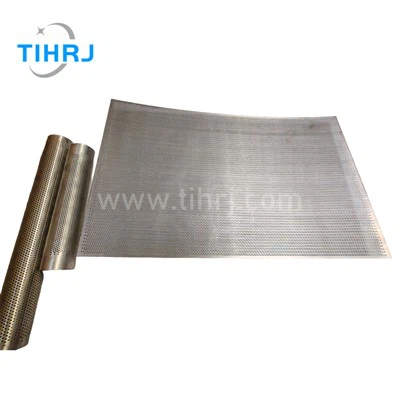
Hey there! As a straight pipe supplier, I often get asked whether a straight pipe can be used in a heating system. It's a pretty common question, and today, I'm gonna break it down for you.
First off, let's talk about what a straight pipe is. A straight pipe is, well, exactly what it sounds like – a pipe that runs in a straight line without any bends or curves. These pipes come in different materials, like steel, copper, and even titanium. For instance, we offer Titanium Round Tubing, which is super durable and resistant to corrosion. And our GR2 High Performance Titanium Straight Tube is known for its high - performance capabilities.
Now, can a straight pipe be used in a heating system? The short answer is yes, but there are a few things to consider.
Advantages of Using Straight Pipes in Heating Systems
1. Efficient Flow
One of the biggest advantages of using straight pipes in a heating system is the efficient flow of the heating medium, whether it's water, steam, or hot air. Without any bends or curves, there's less resistance to the flow. This means that the heating medium can move through the pipes more easily, which in turn can lead to better heat transfer. For example, in a hot water heating system, the water can circulate faster and more evenly throughout the system, ensuring that every room gets heated effectively.
2. Easy Installation
Straight pipes are relatively easy to install compared to pipes with bends and elbows. They require less cutting, fitting, and measuring. This can save a significant amount of time and labor costs during the installation process. If you're a DIY enthusiast looking to set up a small heating system in your home, straight pipes can be a great option.
3. Reduced Maintenance
Since there are no bends or curves where debris and sediment can accumulate, straight pipes are less likely to get clogged. This reduces the need for frequent maintenance and cleaning. In a long - term perspective, it can save you money on maintenance costs and keep your heating system running smoothly.
Disadvantages of Using Straight Pipes in Heating Systems
1. Limited Layout Flexibility
The main drawback of straight pipes is their limited layout flexibility. In some buildings, especially those with complex floor plans or tight spaces, it may be difficult to use only straight pipes. You might need to use pipes with bends and elbows to navigate around obstacles or to reach different areas of the building. For example, in an old - fashioned house with a lot of partitions, a straight - pipe - only heating system may not be practical.
2. Expansion and Contraction Issues
Heating systems are subject to temperature changes, which cause the pipes to expand and contract. Straight pipes can be more prone to damage from these expansion and contraction forces compared to pipes with bends. Bends can act as expansion loops, absorbing the stress caused by the change in pipe length. Without these loops, the straight pipes may develop cracks or leaks over time.
Considerations for Using Straight Pipes in Heating Systems
1. Material Selection
The choice of material for your straight pipes is crucial. Different materials have different properties, such as thermal conductivity, corrosion resistance, and durability. For example, copper is a popular choice for heating systems because it has high thermal conductivity and is resistant to corrosion. Steel pipes, on the other hand, are strong and can withstand high pressures, but they may be more prone to rusting. Our GR2 High Performance Titanium Straight Tube is a great option as it combines high strength, corrosion resistance, and good thermal properties.
2. Pipe Sizing
Proper pipe sizing is essential for the efficient operation of a heating system. If the pipes are too small, the flow of the heating medium will be restricted, leading to poor heat transfer. If the pipes are too large, it can result in inefficient energy use. You need to calculate the correct pipe size based on the heating load of your building, the type of heating medium, and the flow rate.
3. Expansion Joints
To address the expansion and contraction issues mentioned earlier, you can install expansion joints in the straight pipes. These joints are designed to absorb the stress caused by the change in pipe length due to temperature variations. They can help prevent damage to the pipes and ensure the long - term reliability of the heating system.
Applications of Straight Pipes in Different Types of Heating Systems
1. Radiant Floor Heating Systems
Straight pipes are commonly used in radiant floor heating systems. In these systems, the pipes are laid directly under the floor, and hot water is circulated through them to heat the floor. The efficient flow of water through the straight pipes ensures even heat distribution across the floor surface. This creates a comfortable and energy - efficient heating environment.
2. Baseboard Heating Systems
Baseboard heating systems also often use straight pipes. The pipes are installed along the baseboards of the rooms, and hot water or steam is used to heat the air in the room. The straight pipes allow for a simple and effective installation, and they can provide a consistent source of heat.
Other Uses of Straight Pipes
Straight pipes aren't just for heating systems. They also have a wide range of other applications. For example, in the automotive industry, Car Exhaust Flexible Pipes are used to direct the exhaust gases out of the engine. These pipes need to be straight and flexible to ensure proper exhaust flow and to reduce noise.
Conclusion
So, to sum it up, straight pipes can definitely be used in heating systems, and they offer several advantages such as efficient flow, easy installation, and reduced maintenance. However, they also have some limitations, like limited layout flexibility and expansion issues. By carefully considering the material, sizing, and installation requirements, you can make the most of straight pipes in your heating system.
If you're interested in using straight pipes for your heating system or any other application, I'd love to talk to you. Whether you need advice on material selection, sizing, or installation, I'm here to help. Feel free to reach out for more information and to start a discussion about your specific needs. Let's work together to find the best straight pipe solution for you!


References
- "Heating System Design Handbook" by ASHRAE
- "Pipe Fitting Handbook" by Pipe Fitting Association