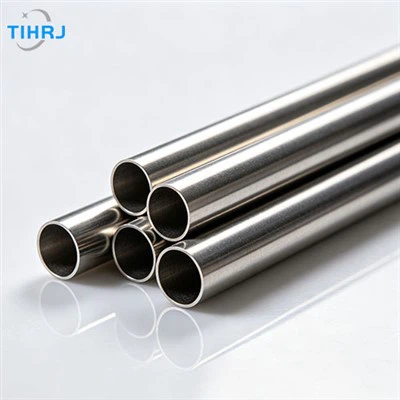
The motorcycle exhaust is more than just a pipe-it's a critical component that affects performance, sound, weight, heat management, and style. The choice of material for an exhaust system is a key decision for manufacturers, racers, and enthusiasts. Here's a professional overview of the best materials for motorcycle exhausts, their properties, and suitability for various use cases.
1. Common Materials Used in Motorcycle Exhausts
A. Stainless Steel
Properties: Strong, corrosion-resistant, relatively affordable, and easy to fabricate.
Advantages: Good durability, resistant to rust, lower cost.
Drawbacks: Heavier than alternatives, but lighter grades (like 304, 316) reduce weight.
Best for: Everyday riders, touring, and cost-conscious users.
B. Titanium
Properties: Extremely strong, lightweight (about 40% lighter than steel), and highly resistant to corrosion and heat.
Advantages: Maximum weight savings, excellent heat resistance, long lifespan, and a distinctive metallic blue tint when heated.
Drawbacks: Expensive raw material and fabrication cost, specialized welding required.
Best for: Racing, high-performance bikes, and enthusiasts prioritizing performance and weight reduction.
C. Carbon Fiber
Properties: Ultra-lightweight, non-metallic composite, often used as a sleeve over a metal inner core.
Advantages: Lightest possible option, unique appearance, can help muffle sound.
Drawbacks: Can degrade or discolor under sustained high heat, less durable than metals, usually not used for the header or primary pipes.
Best for: Show bikes, street motorcycles, or as slip-on mufflers where heat exposure is moderate.
D. Aluminum
Properties: Lightweight and relatively inexpensive; sometimes used for muffler cans.
Advantages: Good weight savings, affordable.
Drawbacks: Lower heat resistance, more prone to corrosion than stainless or titanium, not suitable for high-performance headers.
Best for: Budget slip-ons, off-road bikes, or low-heat applications.
2. Comparison Table
| Material | Weight | Heat Resistance | Corrosion Resistance | Cost | Durability | Sound | Typical Use |
|---|---|---|---|---|---|---|---|
| Stainless Steel | Medium | Good | Good | $ | High | Stock/Deep | All-round, OEM, street |
| Titanium | Very Light | Excellent | Excellent | $$$$ | Very High | Metallic/Racing | Racing, high-performance |
| Carbon Fiber | Lightest | Moderate | Good (outer shell) | $$$ | Moderate | Mellow/Deep | Mufflers, sport/street |
| Aluminum | Light | Fair | Fair | $$ | Moderate | Standard | Entry-level, off-road |
3. Industry Insights
Race Teams: Nearly always choose titanium for full exhaust systems due to the unmatched weight savings and heat resistance.
OEM and Aftermarket: Stainless steel is the most common for stock exhausts, balancing cost, durability, and performance.
Custom and Boutique Builders: Frequently use carbon fiber for muffler sleeves to achieve a high-tech look and minimal weight.
4. Best Material for Different Riders
Everyday Commuter or Touring Rider: Stainless steel for durability and value.
Performance Enthusiast or Racer: Titanium for maximum performance, weight savings, and heat management.
Show/Street Bike Customizer: Carbon fiber muffler for looks and reduced weight, with metal headers
Looking for a specific exhaust recommendation for your motorcycle model or riding style? Let me know your bike and priorities for personalized advice!