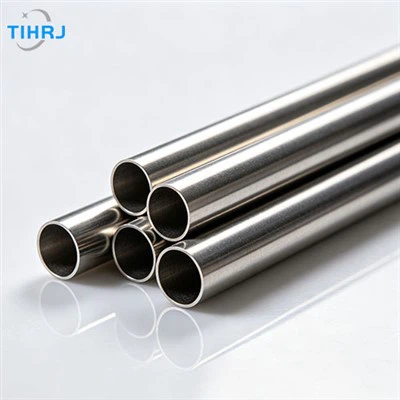
Titanium exhaust systems are prized for their light weight, strength, and resistance to corrosion and heat. However, even this advanced material can develop cracks under certain conditions. Understanding what causes titanium exhausts to crack is important for manufacturers, racers, and enthusiasts who want to maximize durability and performance.
1. Key Causes of Titanium Exhaust Cracking
A. Thermal Cycling and Fatigue
Extreme temperature swings occur in exhaust systems-rapid heating when the engine starts and runs, followed by cooling when it shuts down.
Titanium expands and contracts with temperature changes. Repeated cycles can cause thermal fatigue, leading to microcracks that may grow over time.
Track and race use accelerates this due to frequent and extreme temperature fluctuations.
B. Inadequate Support and Vibration
Insufficient mounting or bracing allows excessive movement or vibration.
Vibration from the engine or road can induce stress at welds, joints, or bends, especially in lightweight systems.
Resonance at certain RPMs can intensify stress at weak points.
C. Poor Welding or Fabrication
Titanium welding requires skill and a controlled, inert environment (e.g., argon shielding).
Contaminants (oxygen, nitrogen, hydrogen) in the weld area can make titanium brittle, causing cracks to originate at weld seams.
Thin-wall tubing is especially vulnerable if weld penetration or quality is poor.
D. Design Flaws and Stress Concentration
Sharp bends, tight radii, or abrupt transitions can concentrate stress and act as crack initiation sites.
Unsupported sections or poor alignment can add mechanical stress.
E. Overheating or Excessive Heat Exposure
Sustained operation at very high exhaust temperatures (track or turbocharged use) can degrade titanium's microstructure.
Blue/purple discoloration shows heat exposure but, if excessive, it may indicate that the material is being pushed beyond its limits, increasing brittleness.
F. Impact Damage
Road debris, bottoming out, or contact with curbs can create dents or microcracks that propagate with vibration and thermal cycling.
2. Summary Table
| Cause | Description/Mechanism | Prevention/Minimization |
|---|---|---|
| Thermal Cycling | Expansion/contraction causes fatigue | Allow for movement, use slip joints |
| Vibration/Insufficient Support | Movement-induced stress, especially at welds | Proper mounting, vibration dampers |
| Poor Welding | Contaminants or improper technique | Professional, inert-gas welding |
| Design Flaws | Sharp bends, stress risers | Smooth transitions, optimized design |
| Overheating | Prolonged high temps increase brittleness | Heat shields, proper airflow |
| Impact Damage | Physical dents, cracks from debris or impacts | Careful routing, skid plates |
3. Industry Insights
Race and track bikes: More prone to cracking due to frequent, extreme temperature cycles and higher vibration.
Aftermarket systems: Thinner walls for weight savings, but more sensitive to installation quality and maintenance.
OEM systems: Typically use thicker walls and conservative design for greater durability.
4. Best Practices to Prevent Cracking
Ensure all exhaust hangers and mounts are secure and use vibration-isolating materials.
Have exhausts fabricated and welded by experienced professionals using proper shielding gases.
Avoid sharp bends and abrupt changes in pipe diameter.
Inspect regularly for discoloration, cracks, or signs of impact.
Allow the exhaust to cool naturally; avoid rapid cooling (e.g., water spray after track use).
Conclusion
Titanium exhausts can crack due to thermal fatigue, vibration, poor welding, design flaws, overheating, or impact.
Selecting a well-designed system, ensuring proper installation, and routine inspection can dramatically reduce the risk of cracking-enabling you to enjoy the performance and longevity titanium exhausts are known for.
Need help diagnosing a cracked exhaust or choosing a high-quality titanium system? Share your application details for expert advice!