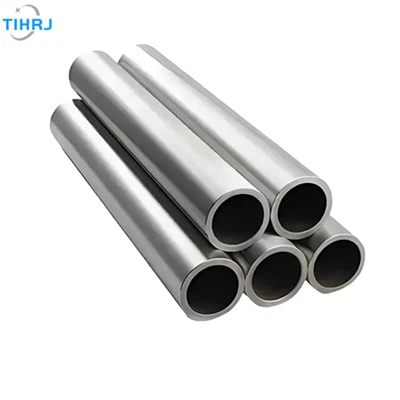
In the field of car modification, titanium alloy exhaust pipes have always been considered a "high-end option" by many car enthusiasts. Their lightweight design, attractive appearance, and excellent performance have made them a popular item in the modification community. However, many people have misconceptions about their material composition and find it difficult to distinguish between genuine and fake products, and are only vaguely aware of the reasons why they are so favored in the modification world. This article will start with the truth about the material of titanium alloy exhaust pipes, share practical tips for distinguishing between genuine and fake products, and deeply analyze the core reasons why the modification community prefers titanium alloy exhaust pipes, giving car enthusiasts a more comprehensive and clear understanding of this modification accessory.
The core characteristics of titanium alloy exhaust pipes stem from their unique material composition, but their material is not pure titanium as commonly believed, which is the first key point in understanding titanium alloy exhaust pipes. While titanium alloy exhaust pipes do use titanium as the core raw material, they are not made of pure titanium. Currently, most mainstream titanium alloy exhaust pipes on the market are made of alloy materials that combine titanium with other metals, with aluminum and vanadium being the most common alloying elements. In the composition of titanium alloy, the content of titanium is not a fixed value, but is adjusted according to the product's performance positioning, applicable models, and manufacturing process, generally ranging from 40% to 90%. This alloy ratio is not arbitrarily set, but is the optimal solution after repeated research and testing. It maximizes the lightweight characteristics of titanium metal – titanium alloy exhaust pipes are 40% lighter than traditional stainless steel exhaust pipes, effectively reducing vehicle weight and improving vehicle power response and handling. At the same time, the alloying process compensates for the weakness of pure titanium's insufficient strength, allowing the exhaust pipe to withstand high-frequency vibrations and exhaust gas impacts during vehicle operation. Furthermore, titanium alloy material also possesses excellent high-temperature resistance and corrosion resistance, enabling it to adapt to the high-temperature environment of exhaust gas discharge and resist corrosion from rainwater, dust, and corrosive substances in exhaust gas, thus ensuring the performance and stability of the exhaust pipe from a material perspective.
Faced with the mixed bag of titanium alloy exhaust pipes on the market, learning to distinguish between genuine and counterfeit products is crucial for car enthusiasts to avoid pitfalls and choose authentic parts. Mastering three core points will allow you to quickly and accurately determine the authenticity of a titanium alloy exhaust pipe; the process is simple and highly practical. The first point is weight testing. This is the most intuitive method of identification based on the lightweight properties of titanium alloy. A genuine titanium alloy exhaust pipe weighs approximately 60% of a stainless steel exhaust pipe of the same size. You can clearly feel the lightness when holding it, and it can be easily lifted with one hand. Counterfeit titanium alloy exhaust pipes are often made of stainless steel, resulting in a significantly heavier weight. The difference is immediately apparent when comparing the two. The second point is color observation. Titanium alloy has its own unique metallic luster. Genuine titanium alloy exhaust pipes exhibit a distinctive dark silver-gray color, not the bright silver of stainless steel. Visually, it has a more refined texture. Furthermore, the welding points of genuine titanium alloy exhaust pipes will show natural rainbow oxidation patterns due to the high-temperature welding process. This is a unique reaction of titanium alloy at high temperatures. Counterfeit products either lack these rainbow oxidation patterns or have artificially created patterns that appear stiff and unnatural. The third point is magnetic testing. This is a core technique for distinguishing between titanium alloy and stainless steel. Titanium alloy itself is a non-magnetic metal. When testing a genuine titanium alloy exhaust pipe with a magnet, there will be no magnetic attraction. Stainless steel, however, is magnetic, and counterfeit products will be strongly attracted to the magnet. This method can quickly eliminate most counterfeit products made of stainless steel.
In the car modification community, titanium alloy exhaust pipes have long been favored and sought after by car enthusiasts, not only because of their cool appearance and unique metallic luster, but more importantly because of their physical properties that far surpass ordinary materials, providing comprehensive performance improvements for vehicles and meeting the core needs of car enthusiasts for modification. First, titanium alloy exhaust pipes produce a clearer and more distinctive sound. Titanium's resonance frequency is much higher than traditional materials like stainless steel. When exhaust gases pass through a titanium alloy exhaust pipe, they resonate at a high frequency with the pipe material, creating a unique metallic tone. The sound is crisp, pleasant, and rich in layers, avoiding the dull, muffled noise of ordinary exhaust pipes. This is the "modified exhaust sound" that many car enthusiasts seek, giving the vehicle's sound a more distinctive character. Second, titanium alloy exhaust pipes offer significant advantages in heat dissipation efficiency. Titanium alloy's thermal conductivity is only 1/5 that of stainless steel, effectively reducing heat transfer from the exhaust pipe and preventing high temperatures from spreading to the engine compartment. This lowers the overall temperature of the engine compartment, reducing the impact of high temperatures on various wires and components, ensuring the normal operation of all vehicle parts, and also improving engine efficiency to some extent. Finally, titanium alloy exhaust pipes have a much longer lifespan than ordinary materials, especially in humid, salty environments like coastal areas. Titanium alloy's corrosion resistance is fully utilized, maintaining a good surface condition even after 5 years of use, without rust, corrosion, or deformation. Ordinary stainless steel exhaust pipes, on the other hand, are prone to rusting and corrosion after a period of use in coastal areas, significantly shortening their lifespan. From a long-term perspective, titanium alloy exhaust pipes offer superior cost-effectiveness and durability.
From the scientific design of the material composition to practical tips for distinguishing genuine from fake products, and the comprehensive advantages in performance, every characteristic of titanium alloy exhaust pipes aligns with the core needs of car modification. This is the fundamental reason for its enduring popularity in the modification industry. For car enthusiasts, understanding the relevant knowledge about titanium alloy exhaust pipes not only helps avoid pitfalls during purchase but also allows them to make more suitable choices based on their modification needs and vehicle conditions, fully utilizing the performance advantages of titanium alloy exhaust pipes and adding more value to their car's modification and upgrade.