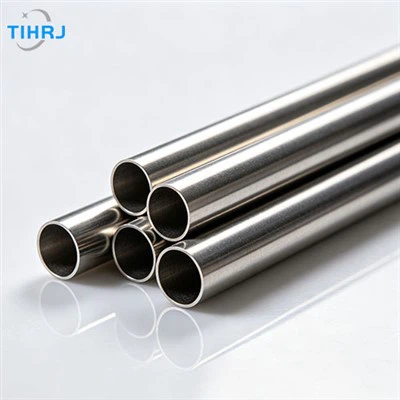
Automotive exhaust pipe elbows are often made of titanium. The unique chemical composition of titanium allows it to form a protective layer on its surface, effectively resisting corrosion and preventing rust, thus maintaining the elbow in good working condition. However, the characteristics of titanium also dictate special requirements for cleaning and installation. Improper operation can not only damage the surface protective layer but also affect the sealing performance and service life of the elbow. Therefore, it is crucial to strictly follow the standard procedures and pay attention to every detail during actual operation.
When cleaning automotive exhaust pipe titanium elbows, it is necessary to flexibly select appropriate cleaning methods based on the actual workpiece requirements, the degree of surface contamination, and the damage status. Commonly used methods include alkaline cleaning, wiping with water-soluble cleaning agents, chlorine solvent sandblasting, and shot blasting. These methods can remove stains and oxide layers while maximally protecting the protective structure of the titanium surface, avoiding material damage. It is especially important to note that acid pickling is strictly prohibited during the cleaning process. Acid pickling will disrupt the internal chemical balance of the titanium material, corrode the surface protective layer, and significantly reduce its rust and corrosion resistance, leading to rust and damage problems during subsequent use. Standard and thorough cleaning can effectively reduce failures caused by dirt accumulation and material corrosion during the use of titanium elbows, improve the overall safety performance of the exhaust pipe, and extend the service life of the titanium elbow and the entire exhaust system.
If welding is required during the installation of the titanium elbow, the operational details of the welding process directly affect the quality of the titanium elbow. The handling and selection of welding rods are key points. Welding rods must be dry before use. Different types of welding rods have different drying requirements: titanium-calcium type welding rods require drying at 150°C for 1 hour, while low-hydrogen type welding rods require drying at 200-250°C for 1 hour. Furthermore, welding rods should not be dried repeatedly, otherwise, the flux coating will crack and peel off, losing its protective function. At the same time, proper storage and protection of the welding rods are essential to prevent the flux coating from being contaminated with oil, dust, and other dirt. If the flux coating is contaminated, it will lead to an increase in the carbon content of the weld during welding, affecting the strength and corrosion resistance of the weld, and thus reducing the overall quality of the welded part. The welding characteristics of titanium elbows differ from those of ordinary steel. During welding, titanium elbows are affected by repeated heating, which easily causes carbide precipitation within the material.
This directly reduces the corrosion resistance and mechanical properties of the titanium elbow. Furthermore, the material hardens significantly after welding, making it highly susceptible to cracking during the cooling process, thus affecting safety. To address this issue, the appropriate welding method must be selected based on the actual situation: If using welding rods of the same titanium material as the elbow, the titanium elbow must be preheated to above 300°C before welding, and a slow cooling treatment at around 700°C is required after welding. This temperature control reduces carbide precipitation and prevents cracking. If post-weld heat treatment is not possible due to installation environment or structural limitations, then welding rods of the same type should be abandoned, and chromium-nickel-titanium welding rods should be used instead. These welding rods have better welding compatibility and can ensure welding quality without subsequent heat treatment, reducing the risk of cracks and corrosion.
After cleaning and welding the titanium elbow, comprehensive inspection and preparation work must be done before formal installation to avoid problems caused by prior negligence. First, carefully check all standard parameters of the titanium elbow to ensure that the diameter, model, and specifications of the titanium elbow perfectly match the requirements of the exhaust pipe system. This prevents problems such as mismatched parameters, inability to install, or poor sealing after installation. Second, check whether the titanium elbow has any defects such as bumps, deformation, or scratches during transportation and storage. If defects are found, they should be repaired or replaced promptly to prevent them from affecting subsequent use. Finally, clean the surface of the titanium elbow again to remove dirt, welding slag, dust, and other debris, ensuring a clean and tidy surface for smooth installation.
During formal installation, the titanium elbow can be directly installed on the corresponding pipeline according to its connection method. The installation position must be strictly determined according to the assembly requirements of the exhaust pipe to ensure the correct angle and position of the connection between the titanium elbow and the pipeline. The core of the installation is proper sealing. Check whether the gaskets, O-rings, and other accessories are intact, and ensure they are precisely fitted to the sealing position during installation to ensure a tight and seamless connection and prevent exhaust leakage. If the seal is not tight, it will not only lead to increased car exhaust noise, but also affect the engine's exhaust efficiency, thereby affecting the vehicle's power performance and fuel economy. In severe cases, exhaust leaks can even pose safety hazards.
Overall, the cleaning and installation of titanium exhaust pipe bends in automobiles involve specific operating procedures and precautions at every step. Only by strictly following the process and paying attention to details can the installation quality of the titanium bends be ensured, allowing the titanium material to fully utilize its corrosion resistance and wear resistance advantages, maintaining the titanium bends in good working condition, and ensuring the stable and safe operation of the car's exhaust system.