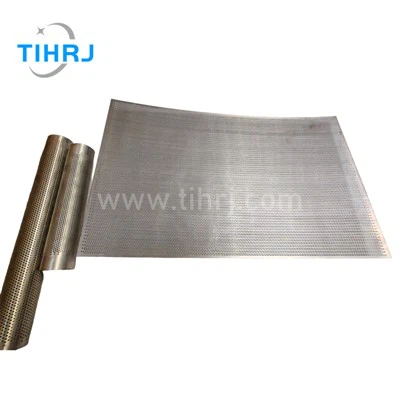
Wear resistance is a crucial property when it comes to straight pipe materials. As a straight pipe supplier, I understand the significance of this characteristic in various industries. In this blog, we'll explore what wear resistance means for straight pipe materials, the factors that influence it, and how different materials stack up in terms of this essential quality.

What is Wear Resistance?
Wear resistance refers to a material's ability to withstand the mechanical action of rubbing, scraping, or erosion that occurs when it comes into contact with other substances. In the context of straight pipes, wear can result from the flow of fluids containing abrasive particles, such as sand or sediment, or from contact with moving parts within a system. A pipe with high wear resistance will maintain its integrity and functionality over a longer period, reducing the need for frequent replacements and minimizing downtime.
Factors Affecting Wear Resistance
Several factors can influence the wear resistance of a straight pipe material. These include:
- Material Composition: The chemical composition of a material plays a significant role in its wear resistance. For example, metals with high carbon content, such as certain types of steel, tend to be more wear-resistant due to the formation of hard carbide particles. Alloys, which are mixtures of different metals, can also be engineered to enhance wear resistance. For instance, stainless steel contains chromium, which forms a protective oxide layer that helps prevent corrosion and wear.
- Hardness: Hardness is a measure of a material's resistance to indentation or scratching. Generally, harder materials are more wear-resistant. However, hardness alone does not guarantee good wear resistance, as other factors such as toughness and ductility also come into play. For example, a very hard but brittle material may crack or break under impact, reducing its overall wear resistance.
- Surface Finish: The surface finish of a pipe can affect its wear resistance. A smooth surface reduces friction and the likelihood of abrasive particles adhering to the pipe, thereby minimizing wear. Conversely, a rough surface can trap particles and increase the rate of wear. Surface treatments, such as polishing or coating, can be applied to improve the surface finish and enhance wear resistance.
- Operating Conditions: The environment in which a straight pipe operates can have a significant impact on its wear resistance. Factors such as temperature, pressure, fluid velocity, and the presence of corrosive substances can all affect the rate of wear. For example, pipes used in high-temperature applications may experience thermal expansion and contraction, which can lead to stress and wear. Similarly, pipes exposed to corrosive fluids may suffer from both corrosion and wear, reducing their service life.
Common Straight Pipe Materials and Their Wear Resistance
There are several types of materials commonly used for straight pipes, each with its own unique properties and wear resistance characteristics. Let's take a closer look at some of the most popular materials:
- Carbon Steel: Carbon steel is a widely used material for straight pipes due to its relatively low cost and good mechanical properties. It has moderate wear resistance, especially when compared to other materials such as plastic. However, carbon steel is susceptible to corrosion, which can reduce its wear resistance over time. To improve its corrosion resistance, carbon steel pipes are often coated or galvanized.
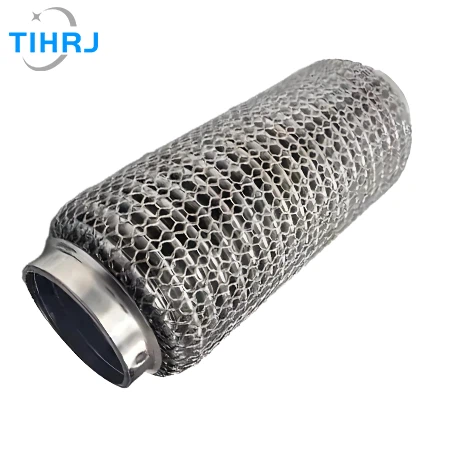
- Stainless Steel: Stainless steel is known for its excellent corrosion resistance and high strength. It also has good wear resistance, making it suitable for applications where both corrosion and wear are concerns. Stainless Steel Car Flexible Pipe is a prime example of a stainless steel straight pipe that offers both flexibility and wear resistance. The chromium in stainless steel forms a passive oxide layer on the surface, which protects the material from corrosion and wear.
- Titanium: Titanium is a lightweight and strong metal with excellent corrosion resistance. It also has high wear resistance, making it a popular choice for applications in the aerospace, automotive, and chemical industries. Titanium Straight Tube 1.2mm is a high-quality titanium straight pipe that offers superior wear resistance. Titanium's high strength-to-weight ratio and resistance to fatigue make it ideal for use in demanding environments.
- Plastic: Plastic pipes, such as PVC (polyvinyl chloride) and HDPE (high-density polyethylene), are commonly used in plumbing and drainage applications. While plastic pipes are generally lightweight and easy to install, they have relatively low wear resistance compared to metal pipes. However, plastic pipes can be reinforced with additives or fibers to improve their wear resistance.
Importance of Wear Resistance in Different Industries
The wear resistance of straight pipe materials is of utmost importance in various industries. Here are some examples:
- Oil and Gas Industry: In the oil and gas industry, straight pipes are used to transport crude oil, natural gas, and other fluids over long distances. These fluids often contain abrasive particles, such as sand and gravel, which can cause significant wear to the pipes. Pipes with high wear resistance are essential to ensure the safe and efficient operation of the pipeline system. For example, titanium pipes are often used in offshore oil and gas platforms due to their excellent corrosion and wear resistance.
- Automotive Industry: In the automotive industry, straight pipes are used in exhaust systems to carry exhaust gases away from the engine. The exhaust gases contain high-temperature and corrosive substances, which can cause wear and corrosion to the pipes. Grade 2 Car Exhaust Pipe is a high-quality straight pipe that offers excellent wear and corrosion resistance, ensuring the long-term performance of the exhaust system.
- Mining Industry: In the mining industry, straight pipes are used to transport slurries, which are mixtures of water and solid particles. These slurries can be highly abrasive, causing significant wear to the pipes. Pipes with high wear resistance are essential to prevent leaks and ensure the efficient operation of the mining process. For example, carbon steel pipes lined with ceramic or rubber are often used in mining applications to improve wear resistance.
- Chemical Industry: In the chemical industry, straight pipes are used to transport various chemicals, some of which can be highly corrosive. Pipes with high wear and corrosion resistance are essential to prevent chemical leaks and ensure the safety of the workers and the environment. Stainless steel and titanium pipes are commonly used in the chemical industry due to their excellent corrosion and wear resistance.
Conclusion
In conclusion, wear resistance is a critical property for straight pipe materials. It affects the performance, reliability, and service life of the pipes in various industries. As a straight pipe supplier, I offer a wide range of materials with different wear resistance characteristics to meet the specific needs of my customers. Whether you need a pipe for a high-temperature application, a corrosive environment, or an abrasive slurry, I can help you choose the right material.
If you're interested in purchasing straight pipes for your project, I encourage you to contact me for more information. I can provide you with detailed product specifications, pricing, and delivery options. Let's work together to find the best solution for your wear resistance needs.
References
- ASM Handbook Volume 18: Friction, Lubrication, and Wear Technology
- Metals Handbook Desk Edition, 3rd Edition
- Corrosion and Corrosion Control: An Introduction to Corrosion Science and Engineering, 4th Edition