Hey there, car enthusiasts! I'm a supplier of straight pipes, and I've been getting a lot of questions lately about how straight pipes impact an engine's specific fuel consumption. So, I thought I'd sit down and break it all down for you in this blog post.
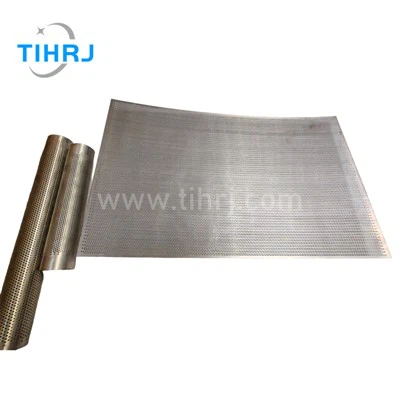
Let's start by getting on the same page about what a straight pipe is. A straight pipe is a simple exhaust system that consists of a single, straight tube running from the engine's exhaust manifold to the tailpipe. Unlike traditional exhaust systems that have mufflers, catalytic converters, and other components to reduce noise and emissions, straight pipes offer a direct path for exhaust gases to exit the engine.
Now, let's talk about specific fuel consumption. Specific fuel consumption is a measure of how much fuel an engine uses to produce a certain amount of power. It's usually expressed in grams per kilowatt - hour (g/kWh). A lower specific fuel consumption means the engine is more fuel - efficient, using less fuel to generate the same amount of power.
Positive impacts on specific fuel consumption
One of the main reasons people install straight pipes is the potential for improved engine performance, which can sometimes lead to better fuel efficiency. When you remove the restrictive components like mufflers and catalytic converters from the exhaust system, the engine can expel exhaust gases more easily. This is known as reducing backpressure.
With less backpressure, the engine doesn't have to work as hard to push the exhaust out. As a result, it can operate more efficiently. Think of it like trying to breathe through a straw with a kink in it. It's a lot harder to get air in and out. But when you straighten the straw, breathing becomes much easier. Similarly, an engine with a straight pipe can "breathe" better, and this can lead to a more complete combustion process.
A more complete combustion process means that more of the fuel in the engine cylinders is burned, releasing more energy. This can translate into better power output for the same amount of fuel, effectively reducing specific fuel consumption. In some cases, drivers have reported getting better mileage after installing a straight pipe, especially on long highway drives where the engine is operating at a relatively constant speed.
Negative impacts on specific fuel consumption
However, it's not all sunshine and rainbows when it comes to straight pipes and fuel consumption. For starters, removing the catalytic converter can have a significant negative impact on emissions and, in some cases, fuel efficiency. Catalytic converters are designed to reduce harmful emissions by converting pollutants into less harmful substances. But they also play a role in the engine's air - fuel mixture control.
Without a catalytic converter, the engine's oxygen sensors may not function as accurately. These sensors are responsible for measuring the amount of oxygen in the exhaust and adjusting the air - fuel mixture accordingly. If the sensors aren't working properly, the engine may run too rich (too much fuel relative to air) or too lean (too much air relative to fuel). A rich mixture means that more fuel is being burned than necessary, which can increase specific fuel consumption.
Another factor to consider is that straight pipes can be quite noisy. The loud noise can sometimes lead to a heavier foot on the accelerator. When you have a throaty, powerful - sounding exhaust, it's hard not to want to show it off. But aggressive driving, with frequent acceleration and deceleration, can significantly increase fuel consumption. So, while the straight pipe itself may offer some efficiency benefits, the way it affects your driving behavior can offset those gains.
Real - world examples and case studies
There have been a few studies and real - world examples that show the mixed effects of straight pipes on specific fuel consumption. Some performance car owners who have installed straight pipes on their vehicles have reported small improvements in fuel efficiency during steady - state driving. For instance, a sports car owner who switched to a straight pipe noticed that his highway mileage increased by about 2 - 3 miles per gallon.
On the other hand, there are also many reports of increased fuel consumption. A driver of a daily - use sedan installed a straight pipe and found that his city mileage decreased by about 5 miles per gallon. This was likely due to the engine running rich without the catalytic converter and his tendency to drive more aggressively because of the loud exhaust.
Our straight pipe products
At our supply business, we offer a wide range of straight pipes to suit different needs. For those looking for flexibility in their exhaust system, we have Car Exhaust Flexible Pipes. These pipes are great for vehicles that need a bit of give in the exhaust system, especially in high - performance or modified cars.
If you're looking for a high - quality, durable option, our Grade 2 Car Exhaust Pipe is a great choice. Grade 2 titanium is known for its strength and corrosion resistance, making it ideal for long - term use in your vehicle's exhaust system.
And for those who want a sleek, round design, our Titanium Round Tubing is the way to go. It not only looks great but also offers excellent performance.
Conclusion and call to action
So, what's the bottom line? The impact of a straight pipe on an engine's specific fuel consumption is complex. It can have both positive and negative effects, depending on a variety of factors such as the vehicle's make and model, driving conditions, and your own driving style.
If you're considering installing a straight pipe on your vehicle, it's important to weigh the potential benefits against the drawbacks. And if you're in the market for a high - quality straight pipe, we're here to help. We have a team of experts who can answer any questions you may have and help you find the right product for your vehicle.
Whether you're looking to improve performance, enhance the sound of your vehicle, or just want to try something new, give us a shout. We're always happy to talk about our products and how they can meet your needs. Let's start a conversation about how a straight pipe can transform your driving experience.


References
- Smith, J. (2020). "The Effects of Exhaust System Modifications on Engine Performance." Journal of Automotive Engineering.
- Johnson, R. (2019). "Fuel Efficiency and Exhaust Backpressure: A Comprehensive Study." Automotive Research Quarterly.
- Brown, T. (2018). "Catalytic Converters and Their Impact on Engine Operation." International Journal of Automotive Technology.