


Ensuring the concentricity of HD (Heavy Duty) Flanges and pipes is crucial in various industrial applications, especially in systems where fluid or gas flow needs to be smooth and efficient. As an HD Flange supplier, I understand the significance of this aspect and have gathered valuable insights and techniques over the years to achieve optimal concentricity. In this blog, I will share some practical methods and considerations to help you ensure the concentricity of HD Flanges and pipes in your projects.
Understanding the Importance of Concentricity
Concentricity refers to the degree to which the centerlines of two or more components align with each other. In the context of HD Flanges and pipes, proper concentricity is essential for several reasons. Firstly, it ensures a uniform distribution of stress across the flange and pipe joint. When the components are not concentric, uneven stress can lead to premature failure of the joint, resulting in leaks, reduced system efficiency, and potential safety hazards.

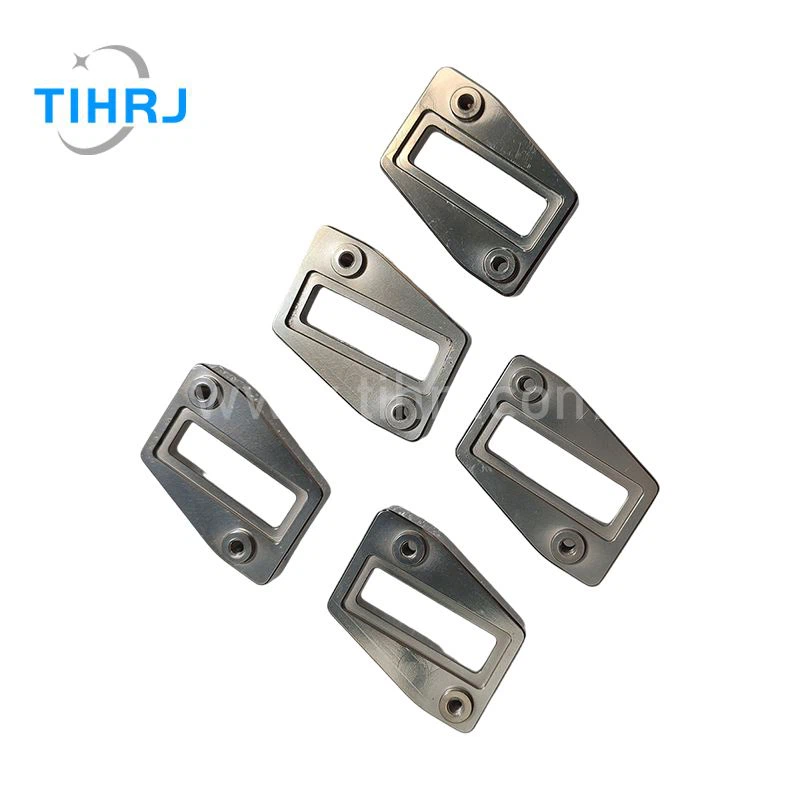
Secondly, concentricity is vital for maintaining a smooth flow of fluids or gases through the pipeline. Misaligned flanges and pipes can cause turbulence, which increases pressure drop and energy consumption. This not only affects the performance of the system but also leads to higher operating costs.
Preparation Before Installation
Before installing HD Flanges and pipes, it is essential to conduct a thorough inspection of all components. Check the flanges and pipes for any visible defects, such as cracks, dents, or uneven surfaces. Ensure that the dimensions of the flanges and pipes meet the required specifications. Any deviation from the standard dimensions can affect the concentricity of the joint.
Clean the mating surfaces of the flanges and pipes to remove any dirt, debris, or rust. A clean surface ensures a proper seal and reduces the risk of leaks. Use a suitable cleaning agent and a wire brush to clean the surfaces thoroughly.
Alignment Techniques
Using Alignment Tools
One of the most effective ways to ensure concentricity is by using alignment tools. There are several types of alignment tools available in the market, such as laser alignment systems, dial indicators, and alignment pins. Laser alignment systems are highly accurate and can quickly detect any misalignment between the flanges and pipes. Dial indicators are also commonly used to measure the concentricity of the joint. They provide a visual indication of the alignment and allow for precise adjustments.
Alignment pins are simple but effective tools that can be used to align the flanges and pipes during installation. They are inserted into the bolt holes of the flanges to ensure that the flanges are properly aligned. Make sure to use the correct size and number of alignment pins for the specific application.
Pre - Assembly and Marking
Before installing the flanges and pipes, it is advisable to pre - assemble the components to check for alignment. Place the flanges on the pipes and mark the position of the bolt holes. This will help ensure that the flanges are correctly aligned during the final installation. Use a scribe or a marker to make clear and visible marks on the flanges and pipes.
Welding Techniques
If the flanges and pipes are to be welded together, proper welding techniques are crucial for maintaining concentricity. Welding should be carried out in a controlled manner to avoid distortion of the components. Use a suitable welding process and follow the recommended welding parameters. It is also important to weld the components symmetrically to minimize the risk of misalignment.
Installation Process
Bolt Tightening Sequence
The bolt tightening sequence plays a significant role in ensuring the concentricity of the flange and pipe joint. Follow the recommended bolt tightening sequence provided by the flange manufacturer. Generally, the bolts should be tightened in a cross - pattern to ensure uniform stress distribution across the flange. Tighten the bolts gradually in multiple passes to avoid over - tightening or under - tightening.
Gasket Installation
The installation of the gasket is another critical step in ensuring concentricity. Choose the right type and size of gasket for the specific application. Make sure the gasket is properly centered on the flange face before installation. Any misalignment of the gasket can lead to leaks and affect the concentricity of the joint.
Quality Control and Inspection
After installing the HD Flanges and pipes, it is essential to conduct a quality control inspection to ensure concentricity. Use the same alignment tools that were used during the installation process to check the alignment of the joint. Measure the concentricity at multiple points around the flange to ensure uniformity.
If any misalignment is detected, make the necessary adjustments immediately. This may involve loosening the bolts, realigning the components, and retightening the bolts. Repeat the inspection process until the desired concentricity is achieved.
Special Considerations for Different Types of Flanges
MAF Flange
The MAF Flange is a specialized flange used in automotive applications. When installing MAF Flanges, it is important to ensure that the sensor is properly aligned with the airflow. Any misalignment can affect the accuracy of the sensor readings and the performance of the engine. Use the alignment tools mentioned earlier to ensure the concentricity of the MAF Flange and the pipe.
Blow Off Valve Weld Flange
The Blow Off Valve Weld Flange is used in turbocharged engines to release excess pressure. Proper concentricity is crucial for the efficient operation of the blow - off valve. During installation, pay close attention to the alignment of the flange and the valve. Use a welding fixture to ensure that the flange is welded in the correct position.
Quick Release Intercooler Pipe Clamp
The Quick Release Intercooler Pipe Clamp is designed for easy installation and removal of intercooler pipes. When using these clamps, make sure the pipes are properly aligned before tightening the clamp. A misaligned pipe can cause leaks and affect the performance of the intercooler.
Conclusion
Ensuring the concentricity of HD Flanges and pipes is a critical aspect of any industrial installation. By following the techniques and considerations outlined in this blog, you can achieve optimal concentricity, which will result in a reliable and efficient system. As an HD Flange supplier, I am committed to providing high - quality products and technical support to help you achieve the best results in your projects.
If you are interested in purchasing HD Flanges or have any questions about ensuring concentricity, please feel free to contact me for a detailed discussion. We can work together to find the most suitable solutions for your specific needs.
References
- ASME B16.5 - Pipe Flanges and Flanged Fittings
- API 6A - Specification for Wellhead and Christmas Tree Equipment
- ISO 7005 - Metallic Flanges for General Use



