As a trusted supplier of Intake Blow-Off Valve (BOV) Flanges, I've encountered numerous inquiries from automotive enthusiasts and professionals alike about the performance of these components in extreme temperature conditions. This blog post aims to delve into the technical aspects of Intake BOV Flanges and their suitability for use in extreme heat or cold.
Understanding Intake BOV Flanges
Before we explore the impact of extreme temperatures, let's briefly understand what an Intake BOV Flange is. In a turbocharged or supercharged engine, a Blow-Off Valve (BOV) is crucial for releasing excess boost pressure when the throttle is closed suddenly. The Intake BOV Flange serves as the connection point between the BOV and the intake system. It ensures a secure and airtight fit, allowing the BOV to function efficiently.
Materials Used in Intake BOV Flanges
The materials used in manufacturing Intake BOV Flanges play a significant role in their performance in extreme temperature environments. Common materials include aluminum, stainless steel, and titanium.
Aluminum
Aluminum is a popular choice due to its lightweight nature and good thermal conductivity. It can dissipate heat relatively quickly, which is beneficial in high-temperature environments. However, aluminum has a lower melting point compared to stainless steel and titanium. In extremely high temperatures, aluminum may become soft and lose its structural integrity, leading to potential leaks or failures.
Stainless Steel
Stainless steel is known for its durability and corrosion resistance. It can withstand higher temperatures than aluminum without significant deformation. Stainless steel Intake BOV Flanges are often used in applications where high heat is expected, such as in high-performance engines or turbocharged vehicles.

Titanium
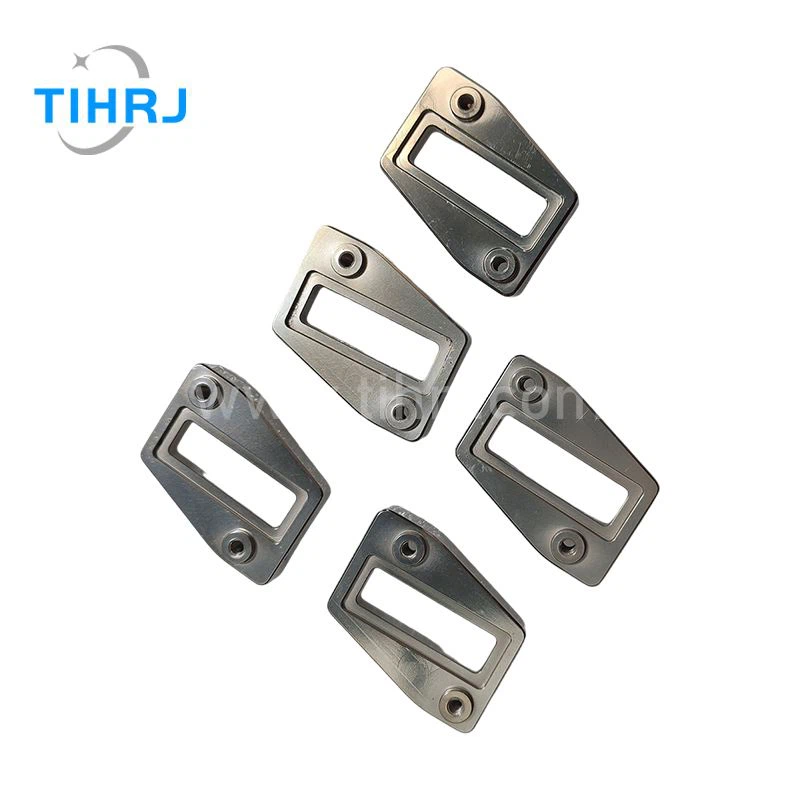
Titanium is the premium option when it comes to extreme temperature resistance. It has a high melting point and excellent strength-to-weight ratio. Titanium Intake BOV Flanges can handle extreme heat without losing their shape or performance. Additionally, titanium is highly resistant to corrosion, making it suitable for harsh environments.
Impact of Extreme Heat on Intake BOV Flanges
In high-temperature environments, such as in engines that generate a lot of heat or in areas with hot climates, Intake BOV Flanges face several challenges.
Thermal Expansion
All materials expand when heated, and this thermal expansion can affect the fit and performance of the Intake BOV Flange. If the expansion is not properly accounted for, it can lead to leaks between the flange and the BOV or the intake system. For example, if an aluminum flange expands too much, it may not seal properly, allowing boost pressure to escape.
Material Degradation
As mentioned earlier, high temperatures can cause material degradation. Aluminum may become soft and lose its strength, while other materials may experience oxidation or other forms of corrosion. This can weaken the flange over time and reduce its lifespan.
Performance of Seals
The seals used in conjunction with the Intake BOV Flange are also affected by high temperatures. Rubber seals, for instance, can harden or melt in extreme heat, leading to leaks. It's important to use high-temperature-resistant seals to ensure proper functioning in hot environments.
Impact of Extreme Cold on Intake BOV Flanges
Extreme cold can also pose challenges for Intake BOV Flanges.
Brittleness
Materials can become brittle in cold temperatures. Aluminum, in particular, may become more prone to cracking or breaking when exposed to extreme cold. Stainless steel and titanium are more resistant to brittleness, but they still need to be designed to withstand the stresses of cold environments.
Contraction
Just as materials expand in heat, they contract in cold. This contraction can affect the fit of the flange and may cause it to loosen or create gaps. If the contraction is not accounted for, it can lead to leaks or improper functioning of the BOV.
Testing and Certification
To ensure the reliability of Intake BOV Flanges in extreme temperature environments, rigorous testing is essential. Manufacturers should subject their products to temperature cycling tests, where the flanges are exposed to both extreme heat and cold to simulate real-world conditions. Additionally, certifications such as ISO standards can provide assurance of the quality and performance of the flanges.
Our Solutions as a Supplier
As a leading supplier of Intake BOV Flanges, we understand the importance of providing high-quality products that can withstand extreme temperatures. We offer a range of flanges made from different materials to suit various applications.
Our titanium Intake BOV Flanges are ideal for extreme temperature environments. They are precision-engineered to ensure a perfect fit and are tested to meet the highest standards of performance. We also offer Separate V-Band Flanges, MAF Flange, and Exhaust V Bands made from high-quality materials to complement our Intake BOV Flanges.
Conclusion
In conclusion, while Intake BOV Flanges can be used in extreme temperature environments, the choice of material is crucial. Aluminum may be suitable for mild to moderately high temperatures, but stainless steel and titanium are better options for extreme heat or cold. It's important to consider the specific requirements of your application and choose a flange that can withstand the temperature extremes.
If you're in the market for high-quality Intake BOV Flanges or other related products, we invite you to contact us for a consultation. Our team of experts can help you select the right product for your needs and ensure that you get the best performance in any temperature environment.
References
- "Automotive Engine Design" by David Crolla
- "Materials Science and Engineering: An Introduction" by William D. Callister Jr. and David G. Rethwisch