Hey there, fellow car enthusiasts! I'm a supplier of straight pipes, and I know many of you love the raw power and distinctive sound they bring to your rides. But let's face it, sometimes that straight - pipe noise can be a bit too much, especially if you're looking for a more refined driving experience or have to deal with noise regulations. So, in this blog, I'm going to share some noise - reduction methods for straight pipes.
1. Mufflers
One of the most common ways to reduce noise from straight pipes is by adding a muffler. Mufflers work by using a series of chambers and baffles to reflect and absorb sound waves. When the exhaust gases enter the muffler, they bounce around inside these chambers. This process helps to break up the sound waves and reduce their intensity.
There are different types of mufflers available in the market. For example, glass - packed mufflers use fiberglass packing to absorb sound. They are relatively inexpensive and can provide a good amount of noise reduction. On the other hand, chambered mufflers have a more complex internal design with multiple chambers. They can give a deeper, more mellow tone while reducing the overall noise level.
If you're interested in upgrading your exhaust system, you might want to check out our Car Exhaust Flexible Pipes. These pipes can be used in combination with mufflers to create a more efficient and quieter exhaust setup.
2. Resonators
Resonators are another great option for noise reduction. Unlike mufflers, which are mainly designed to reduce overall noise, resonators are more focused on canceling out specific frequencies. They work by creating sound waves that are out of phase with the unwanted frequencies in the exhaust noise. When these two sets of sound waves meet, they cancel each other out, reducing the noise at those particular frequencies.
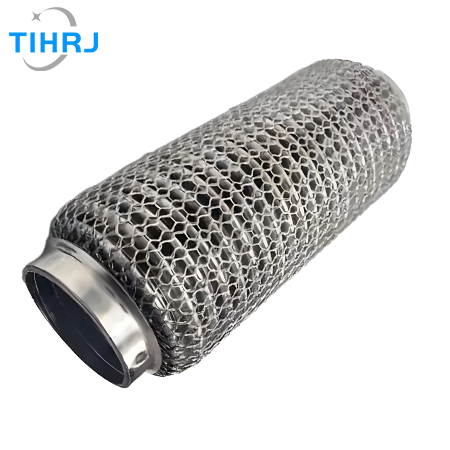

Resonators can be a great addition to straight pipes, especially if you're dealing with a high - pitched whine or a specific annoying frequency. They are usually smaller and lighter than mufflers, so they don't add too much weight to your exhaust system. You can pair resonators with our Grade 2 Car Exhaust Pipe for a more customized and quieter exhaust solution.
3. Insulation
Adding insulation to your straight pipes can also help in reducing noise. There are two main types of insulation: internal and external.
Internal insulation involves lining the inside of the pipe with a heat - and sound - absorbing material. This can reduce the noise that is transmitted through the pipe walls. Materials like ceramic fiber or fiberglass can be used for internal insulation. However, it's important to make sure that the insulation material can withstand the high temperatures of the exhaust gases.
External insulation, on the other hand, is applied to the outside of the pipe. It can help to reduce the noise that radiates from the pipe surface. Heat - resistant wraps or blankets can be used for external insulation. They not only reduce noise but also help to keep the engine bay cooler by reducing heat transfer from the exhaust pipes.
4. Exhaust Tips
Believe it or not, exhaust tips can also play a role in noise reduction. Some exhaust tips are designed with internal baffles or diffusers that can help to disperse the exhaust gases more evenly and reduce the noise. These tips can change the way the exhaust sound is projected, making it less harsh and more subdued.
When choosing exhaust tips, look for ones that are specifically designed for noise reduction. You can find a variety of styles and sizes to match your straight pipes. And if you're looking for high - quality pipes to go with those tips, our Stainless Steel Car Flexible Pipe is a great option.
5. Tuning the Engine
Sometimes, the noise from straight pipes can be exacerbated by an engine that is running too rich or too lean. By tuning the engine, you can optimize the air - fuel mixture and ignition timing. This can result in a smoother running engine and a reduction in exhaust noise.
A professional engine tuner can use a dynamometer to measure the engine's performance and make the necessary adjustments. They can also use a wide - band oxygen sensor to monitor the air - fuel ratio in real - time. Tuning the engine not only reduces noise but also improves fuel efficiency and overall performance.
6. Legal Considerations
Before you start modifying your straight pipes for noise reduction, it's important to check the local noise regulations. Different areas have different rules regarding exhaust noise levels. Some places may have strict limits on how loud your exhaust can be, and non - compliant modifications can result in fines or even vehicle impoundment.
Make sure that any noise - reduction modifications you make are legal in your area. You can consult with local authorities or a professional mechanic to ensure that you're on the right side of the law.
Conclusion
So, there you have it! There are several effective noise - reduction methods for straight pipes. Whether you choose to add a muffler, a resonator, insulation, or use exhaust tips, there's a solution that can help you get the right balance between performance and noise.
As a straight - pipe supplier, I'm here to help you find the best products for your needs. If you're interested in upgrading your exhaust system or have any questions about noise reduction, feel free to reach out. We can discuss your options and help you create a customized exhaust setup that meets your requirements.
Don't hesitate to contact us for more information and to start the procurement process. Let's work together to make your car's exhaust system better!
References
- Smith, J. (2020). Exhaust System Basics. Auto Mechanics Journal.
- Johnson, R. (2019). Noise Reduction in Automotive Exhausts. Automotive Engineering Review.