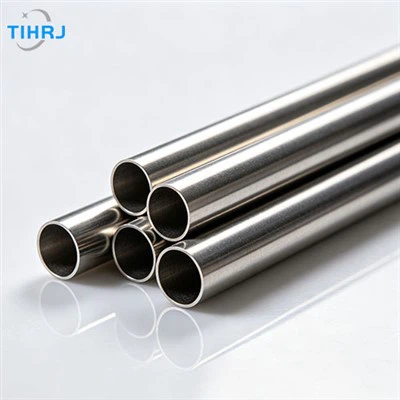
In recent years, titanium exhaust systems have moved beyond niche motorsports use and into a wider range of performance and even premium street applications. This shift is not simply driven by aesthetics or branding, but by a combination of engineering advantages that align with modern vehicle design trends.
One of the most immediate benefits is weight reduction. Compared to stainless steel, titanium significantly lowers the overall mass of the exhaust system. This reduction contributes directly to improved acceleration, handling, and responsiveness-factors that are increasingly important in both track and street performance vehicles.
Another key advantage lies in durability. Titanium offers excellent resistance to corrosion caused by moisture, road salts, and high-temperature exhaust gases. Unlike traditional materials that may degrade over time, titanium exhaust systems maintain structural integrity and consistent performance over longer service periods.
Heat performance is also a critical factor. Exhaust systems operate under extreme thermal conditions, and titanium maintains its strength and stability even at elevated temperatures. This makes it especially suitable for turbocharged engines and high-performance setups where thermal stress is constant.
Beyond performance, titanium exhaust systems are also valued for their distinctive appearance. The natural color changes that occur under heat-ranging from blue to purple hues-add a unique visual element that reinforces the perception of high-end engineering.
As manufacturing technologies continue to improve, titanium exhaust systems are becoming more accessible and consistent in quality. What was once considered a premium or exclusive option is now increasingly viewed as a practical solution for those seeking long-term performance and reliability.
Ultimately, titanium exhaust systems are not just about upgrading a component-they represent a shift toward lighter, stronger, and more efficient engineering solutions.