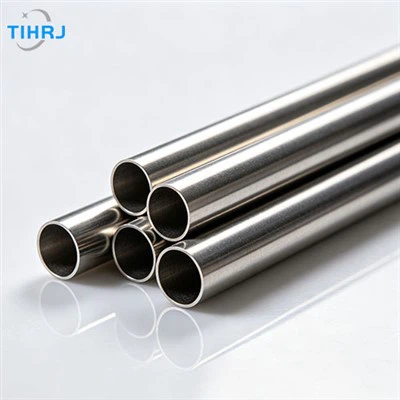
In both automotive exhaust systems and industrial piping applications, flexibility and durability are becoming increasingly important. As operating environments grow more demanding, rigid piping systems often struggle to handle constant vibration, thermal expansion, and mechanical stress. This is one of the main reasons why titanium bellows are gaining popularity across multiple industries.
One of the primary functions of a titanium bellows is to absorb movement within the system. During operation, temperature changes cause pipes and connected components to expand and contract continuously. At the same time, engines, pumps, and industrial equipment generate vibration that transfers directly into the piping structure. Without a flexible section, stress can gradually build up, leading to cracking, leakage, or premature failure. Titanium bellows help reduce this risk by allowing controlled flexibility while maintaining structural stability.
Material performance is another major advantage. Titanium combines high strength, flexibility, and exceptional corrosion resistance, making it ideal for harsh environments. Whether exposed to high temperatures, moisture, salt, or aggressive chemicals, titanium bellows maintain reliable performance over long periods of use. Compared with conventional materials, they are less susceptible to corrosion and fatigue-related damage, which helps reduce maintenance frequency and system downtime.
In high-performance exhaust systems, titanium bellows also contribute to lightweight design. Titanium is significantly lighter than traditional steel materials, allowing manufacturers to reduce overall system weight without sacrificing durability. This is particularly valuable in motorsports and performance vehicle applications where weight reduction directly affects handling and efficiency.
Another reason titanium bellows are becoming more widely used is their long service life. In demanding applications, durability and reliability are often more important than initial material cost. By improving flexibility and reducing stress within the system, titanium bellows help extend the lifespan of surrounding components as well.
Today, titanium bellows are widely used in automotive exhaust systems, chemical processing equipment, marine engineering, semiconductor piping, and other high-demand industries. As system requirements continue to evolve, titanium bellows are no longer viewed as optional upgrades, but as essential components for achieving long-term reliability and performance.