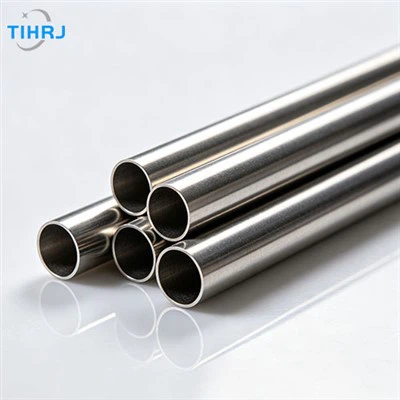
Titanium exhausts are sometimes described as sounding "raspier," but from an industry perspective the sound character is mostly determined by muffler internal structure, baffle/chamber design, packing type (if applicable), pipe diameter/length, catalytic configuration, and ECU calibration. That said, titanium systems do have a few practical traits that can influence how the exhaust note is perceived-and they also bring clear engineering advantages that many enthusiasts care about.
1) Sound "raspiness": what's really going on
People often associate titanium exhausts with a more sharp, high-frequency presence. Two reasons commonly explain this perception:
Weight + wall/structure effects: Titanium is much lighter than stainless steel. In real installations, that often leads to different bracket geometry and mounting behavior, and sometimes a slightly different resonance response. The result can be a sound that feels more "alive" or "edgy."
System design trend: Many aftermarket titanium exhausts are built for freer-flowing characteristics and a more immediate response. If the design emphasizes performance and reduces damping, the resonance frequencies around certain RPM ranges can become more audible-what some users call "rasp."
However, it's important to stress: titanium alone does not guarantee "rasp." A well-engineered muffler can be smooth and deep even if it's titanium, while a poorly tuned stainless system can be raspy. The "rasp" is usually a resonance + tuning outcome.
2) Titanium exhaust advantages (the bigger picture)
Where titanium truly stands out is in the areas that matter for long-term ownership and performance feel:
(1) Excellent strength-to-weight
The most obvious benefit is significant mass reduction. Lower exhaust mass can contribute to:
improved throttle response feel (especially in setups where exhaust weight reduction is substantial),
reduced strain on mounts and drivetrain components in some configurations,
better packaging flexibility for high-flow designs.
Even if sound is subjective, weight savings are not.
(2) Corrosion resistance and durability
Titanium naturally exhibits strong corrosion resistance, especially against many forms of oxidation in real-world conditions. Compared with standard stainless grades (depending on alloy and environment), titanium can be more forgiving in harsh climates-think road salt, humid coastal air, and frequent temperature cycling.
This matters because exhaust longevity is not only about "not rusting," but also about:
preserving surface integrity over time,
maintaining consistent flow characteristics (no premature degradation),
retaining fitment quality across years of heat cycles.
(3) Heat tolerance and thermal stability
Exhaust components operate under extreme cycling loads. Titanium is valued for its ability to handle high-temperature service and maintain mechanical integrity with repeated heating/cooling cycles. When the metal maintains shape and structural stability, the exhaust note and performance can remain more consistent over time.
(4) "Performance character" that owners can feel
Many drivers choose titanium systems because they tend to deliver:
a faster "wake-up" at throttle opening (a common perception with freer-flow systems),
a more refined high-end presence rather than a muffled, overly flat sound,
a lighter system that can complement tuning goals (intake/exhaust balance, turbo response, etc.).
Again, this is design-dependent, but titanium often fits the "lightweight + high-flow" engineering direction.
3) How to judge whether it'll be raspy without gambling
If you want titanium advantages but worry about raspy/droney tones, the industry approach is to evaluate specific system attributes:
Look for a muffler type known for smoothness (some internal designs reduce resonance more effectively).
Check RPM-focused sound clips: if the vendor offers sound recordings at identical RPM/load points, compare those directly.
Pay attention to "drone" disclaimers: drone-free marketing usually correlates with better resonance control.
Match the exhaust to your engine/tune: an exhaust that is perfect on one calibration can become raspy or intrusive on another.
4) Practical takeaway
So, are titanium exhausts more raspy?
They can be perceived as raspy, mainly when the overall system design prioritizes freer flow and uses less resonance damping-but titanium itself is not the sole cause.
What titanium definitely offers is a strong set of ownership and engineering benefits: weight savings, corrosion resistance, heat-tolerance, and long-term stability, which is why many performance-minded customers consider it a premium material choice.
If you share your car model and the titanium exhaust brand/muffler style (e.g., whether it's single-exit, resonated, cat-back type, muffler core type), I can help you predict the likely sound character and which design features are responsible-while still emphasizing the concrete advantages.