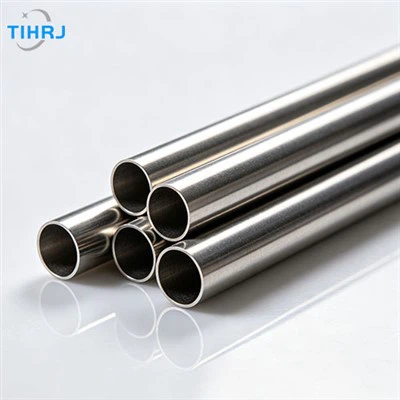
To put it simply, if you compare modified exhaust to buying shoes, then stainless steel is like a pair of sneakers with good performance and durability; Titanium alloy is an extremely lightweight and expensive pair of top professional running shoes. They can all make you run more comfortably and change the exhaust performance and sound, but the focus and experience are completely different.
Let's talk about stainless steel first, which is the most mainstream and most common choice. Its main advantages are "cost-effective" and "durable". The better stainless steel exhaust on the market is generally 304 or higher grade stainless steel, which is much stronger than the original thin iron sheet (in fact, the original is also stainless steel, but the grade is lower).
Another benefit of stainless steel exhaust is that it is very shaping to sound. Because it is made of relatively thick material, various structures of silenced drums can be designed inside, so manufacturers can tune it to a variety of sounds you like, whether it is low, high-pitched, or thick, you can make it. Its sound is usually fuller and more powerful, and the sound of boiling water is also charming. For the vast majority of players who pursue sound and a little performance improvement, the stainless steel mid-tail section is a completely sufficient choice, and the price is also acceptable.
What about titanium exhaust? It plays with "high-end" and "extreme". The reason why it is the most awesome and expensive is first of all the extreme lightness! Titanium alloys are about half as dense as stainless steel, but they are stronger. A stainless steel middle tail section may weigh twenty or thirty kilograms, while a titanium alloy may only weigh about ten kilograms. Don't underestimate the weight reduction of more than ten or twenty kilograms, because it reduces the weight of the rear of your car, which has a very positive impact on the overall handling flexibility, acceleration and weight ratio of the vehicle. As the saying goes, "it's better to lose one pound than ten horses", and weight loss is one of the most effective ways to improve performance. Therefore, for players who go down the track and pursue ultimate performance, titanium alloy is the first choice. Secondly, its heat and corrosion resistance is ceiling-level. Titanium alloy is naturally highly resistant to high temperature and corrosion, and its performance is more stable under long-term high-temperature work, and its life is ridiculously long, so it can be said that it can be used to scrap your car.
Besides, titanium alloy exhaust has a very unique sound because of its material properties. Because the pipe wall is usually made very thin (for extreme lightweight), its sound will be sharper, more torn, and higher than that of stainless steel, and there is a feeling of "metal whistling", and the penetrating sound when the speed is raised is difficult for stainless steel to imitate. People who like it will think that this is simply the sound of nature, very combative; People who don't like it may find it a bit noisy, not as thick as stainless steel.
So how exactly do you choose the right exhaust system for your car? Let's make a summary and comparison:
Weight: Titanium alloy is outstanding, about half lighter than stainless steel.
Price: Stainless steel wins. The raw materials and welding process of titanium alloys (which need to be welded under inert gas protection, which is very difficult) are extremely costly, and the price is usually 2 or even more than 3 times that of stainless steel.
Durability: Both are good, but titanium alloys are more stable and have a longer theoretical life in extreme environments such as frequent high turns on the track day.
Sound: It depends on personal preference. stainless steel is low, thick, and powerful; Titanium alloy is high-pitched, sharp and full of combat feeling.
Performance: Both optimize exhaust smoothness and boost some horsepower. However, the titanium alloy can bring additional handling and acceleration due to the significant weight reduction.
If you are a daily street user, taking into account the occasional soaring, pursuing a good sound and good quality, and have a limited budget, then the high-quality stainless steel mid-tail section is your best choice.
If you are a heavy performance player, often off the track, have the ultimate pursuit of weight, and have a super sufficient budget, and want to experience that kind of top lightweight and unique metal roar, then go directly to the titanium alloy, it will definitely not disappoint you, it is definitely a "poison" level modification.