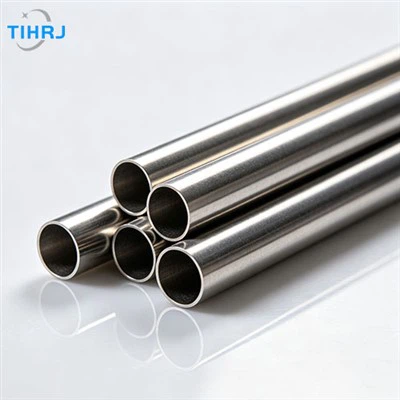
Titanium exhaust systems (manifolds, mid-pipes, and mufflers) are used because they offer a strong combination of weight savings, corrosion resistance, heat tolerance, and long service life-though they also cost more than steel or many stainless options.
1) Weight reduction (better performance & handling)
Titanium is much lighter than steel. In exhaust applications, replacing heavy tubing and hardware with titanium can:
reduce overall vehicle weight
improve throttle response and, in racing contexts, help balance the car
reduce reciprocating/inertial effects slightly (especially at the manifold end)
This matters most for performance vehicles and motorsport teams.
2) Excellent corrosion resistance
Exhaust environments are harsh: moisture, road salt, condensation, and chemicals (especially in winter or coastal areas). Titanium typically resists corrosion better than carbon steel and often performs very well even compared with many stainless grades, depending on conditions and surface finish.
Industry implication: Titanium can maintain appearance and wall integrity longer in real-world road use.
3) High-temperature capability
Titanium alloys can retain strength at elevated temperatures and are used where:
exhaust gas temperatures are high (performance engines, track use)
thermal cycling is frequent
long-term oxidation resistance is required
While titanium still oxidizes, the oxide layer contributes to stability and durability in many exhaust applications.
4) Longevity and durability
Because of corrosion resistance and favorable high-temperature behavior, titanium exhausts are often chosen for:
long service intervals
maintaining fit/finish over time
resisting "typical" exhaust failures (rust-through of thin tubing, heavy pitting, etc.)
5) Sound and "feel" (a real but subjective factor)
People also buy titanium exhausts for acoustic reasons:
Titanium's acoustic properties can produce a different tone (often described as deeper/cleaner)
Lower mass and different damping can change how the system resonates
Even though this is subjective, it's a common reason in consumer and enthusiast markets.
6) Heat management (secondary benefit)
Some titanium exhaust setups are paired with designs that help manage under-hood temperatures:
lower radiant heat (often due to reduced mass and surface behavior)
improved packaging options in performance builds
However, heat shielding and routing still matter a lot-titanium is not a substitute for good thermal design.
Important trade-offs (why not everyone uses it)
1) Cost
Titanium material and fabrication (welding, forming, and QA) are typically more expensive than steel/stainless.
2) Manufacturing and welding complexity
Titanium is more sensitive to contamination during welding (oxygen/nitrogen pickup, poor weld quality risks). Many aftermarket manufacturers rely on proven procedures (purging, controlled parameters, qualified welders).
3) Compatibility with other materials
If titanium is coupled incorrectly with dissimilar metals, galvanic effects and joint corrosion can become an issue-proper isolation and hardware selection are important.
Quick summary
People use titanium exhaust mainly because it offers:
lightweight
excellent corrosion resistance
strong high-temperature durability
plus often a premium sound and long-term reliability
If you tell me your use case (street, winter/salt exposure, track days, vehicle type, and target exhaust temps), I can recommend whether titanium is actually worth it versus stainless steel for that scenario.