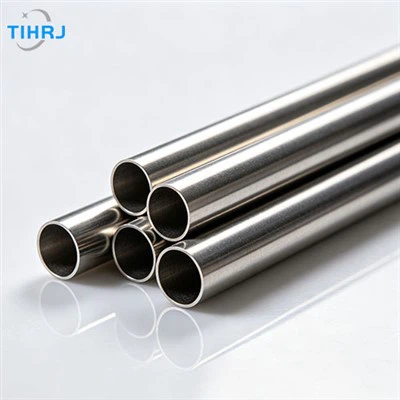
How to Choose Intercooler Pipe Size
Selecting the correct intercooler pipe size is vital for optimizing a turbocharged or supercharged engine's performance. The right diameter ensures efficient airflow, minimizes pressure drop, and supports the power goals of your setup, while avoiding unnecessary lag or fitment issues.
1. Why Pipe Size Matters
Airflow Efficiency: Too small a pipe restricts airflow, choking performance. Too large a pipe reduces air velocity and can increase turbo lag.
Pressure Drop: Oversized or undersized pipes can cause excessive pressure drop, hurting boost response and efficiency.
Fitment: The pipes must fit within the engine bay and mate correctly with turbo, intercooler, and throttle body connections.
2. Key Factors in Selecting Pipe Size
a. Engine Power and Displacement
Higher horsepower and larger displacement engines require larger piping to flow more air.
Typical guidelines:Up to 300 HP: 2.0–2.25 inch (51–57 mm)
300–450 HP: 2.5 inch (63 mm)
450–600 HP: 2.75–3.0 inch (70–76 mm)
Over 600 HP: 3.0+ inch (76+ mm)
b. Turbo/Compressor Outlet Size
The pipe must match or slightly exceed the turbo outlet to prevent bottlenecks.
c. Intercooler Inlet/Outlet Size
Most intercoolers specify a recommended pipe diameter for optimal flow.
d. Boost Target
Higher boost and airflow levels need larger pipes to minimize restrictions.
e. Space Constraints
Larger pipes may not fit in tightly packaged engine bays or may interfere with other components.
3. The Science: Velocity vs. Volume
Small Pipes: Higher air velocity, better throttle response, but can restrict flow at high RPM or boost.
Large Pipes: Lower velocity, more air volume, but can cause lag at lower RPM.
Goal: Balance velocity and volume for your engine's power band.
4. Common Pitfalls
Too Small: Chokes power at high RPM, increases intake air temperature due to heat soak and restriction.
Too Large: Turbo lag, sluggish throttle response, harder to package and seal.
5. Material Considerations
Aluminum: Lightweight, easy to fabricate, excellent heat dissipation.
Stainless Steel: Strong, but heavier-less common for intercooler piping.
Titanium: Ultra-light, exotic, expensive.
6. Practical Examples
| Engine/Setup | Power Level | Typical Pipe Size |
|---|---|---|
| 2.0L Turbo (Stock) | ~200 HP | 2.0–2.25 inch (51–57 mm) |
| 2.5L Turbo (Mild tune) | 300–400 HP | 2.5 inch (63 mm) |
| 3.0L Turbo (Highly tuned) | 500+ HP | 2.75–3.0 inch (70–76 mm) |
| Race Engines | 600+ HP | 3.0–3.5 inch (76–89 mm) |
7. Tips for Success
Match Pipe Size to All Components: Avoid bottlenecks at couplers, bends, or intercooler connections.
Smooth Bends: Use mandrel bends for smooth airflow, not sharp angles.
Shorter Runs: Keep pipes as short as practical to minimize lag and pressure drop.
Quality Couplers and Clamps: Prevent boost leaks with strong, reliable fittings.
Conclusion
Choosing the right intercooler pipe size balances airflow, velocity, and fitment to maximize performance. Calculate based on your engine's power, boost level, and physical space, then select a size that supports your goals without introducing lag or restriction. Consult with your tuner or builder for recommendations tailored to your specific setup.
Need help sizing pipes for your specific turbo build or engine? Share your specs and goals for a custom recommendation!