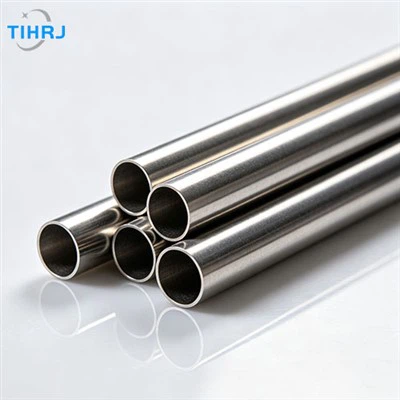
Titanium exhaust tips are a popular upgrade for car and motorcycle enthusiasts, often seen on high-performance vehicles and supercars. But do they actually make a difference-or are they just for show? Let's break down the facts from an industry perspective.
1. Material Properties: Why Use Titanium?
Lightweight: Titanium is about 40% lighter than stainless steel, which can slightly reduce overall vehicle weight, but for tips alone, the difference is small.
Corrosion Resistance: Titanium resists rust and corrosion better than most metals, even in salty, high-temperature environments.
Heat Resistance: Titanium maintains its strength and appearance at high exhaust temperatures, and is less likely to discolor or warp compared to some steels.
2. Performance Impact
Weight Savings: The actual weight reduction from just the tip is minimal (a few hundred grams at most) and unlikely to have a noticeable effect on handling or performance.
Heat Dissipation: Titanium dissipates heat quickly, which can help keep exhaust tips cooler to the touch. However, this effect is more beneficial for full exhaust systems than for tips alone.
Sound: Titanium tips by themselves do not significantly change exhaust sound. Sound changes come from the muffler, resonator, or full exhaust system construction-not the tip material.
3. Aesthetics & Branding
Iconic "Burnt" Look: Titanium takes on beautiful blue, purple, and gold hues when heated, creating a premium, motorsport-inspired appearance.
Luxury/Performance Image: Titanium tips are often a status symbol, signaling performance and exclusivity.
Customization: Some manufacturers offer unique shapes or finishes only possible with titanium due to its ease of forming and coloring.
4. Durability & Maintenance
Long-Lasting: Titanium tips resist corrosion and road chemicals, maintaining their appearance for years.
Low Maintenance: They don't require polishing to prevent rust, unlike some types of steel or chrome tips.
5. Cost Considerations
Expensive: Titanium is significantly pricier than stainless steel or chrome-plated steel. Tips can cost several times more.
Value for Money: The extra cost is mostly for appearance, branding, and prestige-not measurable performance gains.
6. Summary Table
| Feature | Stainless/Chrome Steel | Titanium |
|---|---|---|
| Weight | Heavy | Light |
| Corrosion Resistance | Good | Excellent |
| Appearance | Shiny, can rust/discolor | Unique burnt colors, lasting |
| Performance Impact | Negligible (tip only) | Negligible (tip only) |
| Heat Resistance | Good | Excellent |
| Cost | Low to moderate | High |
| Maintenance | May need polishing | Very low maintenance |
Conclusion
Titanium exhaust tips make a difference mainly in looks, corrosion resistance, and brand prestige-not in sound or performance if only the tip is swapped.
They are a premium choice for those who want the ultimate in style and durability, but for most users, stainless or chrome tips offer similar real-world benefits at a lower price.
Thinking about upgrading your exhaust or looking for maximum performance? Consider a full titanium exhaust system for weight and performance gains-or choose titanium tips for that signature look!