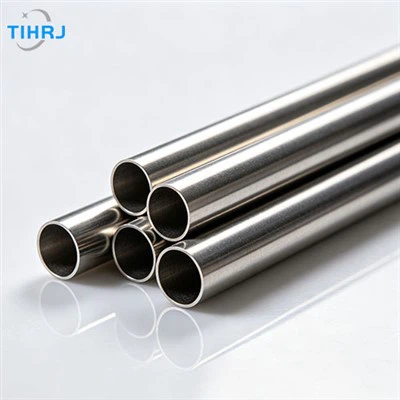
Titanium materials have long been prized in aerospace and medical fields, but their use in the automotive industry is growing rapidly-especially in high-performance, luxury, and next-generation vehicles. Let's explore where and why titanium is used in automobiles, the benefits it brings, and the challenges that limit its widespread use.
1. Key Properties of Titanium for Automotive Use
High Strength-to-Weight Ratio: Titanium is as strong as steel but about 45% lighter, contributing to weight reduction and improved fuel efficiency.
Corrosion Resistance: Titanium naturally forms a protective oxide layer, resisting rust from salt, water, and chemicals.
High Temperature Tolerance: Maintains strength and stability at elevated temperatures, ideal for exhaust and engine components.
Fatigue and Creep Resistance: Withstands repeated stress and high loads over time.
Biocompatibility: Non-toxic and non-allergenic, though less relevant for automotive use compared to medical.
2. Major Applications of Titanium in Automobiles
A. Engine Components
Valves: Titanium intake and exhaust valves are common in high-performance and racing engines, reducing valve train mass and allowing for higher RPMs.
Connecting Rods: Used in motorsport and supercars for weight savings and strength.
Valve Retainers and Springs: Lower inertia for faster engine response.
B. Exhaust Systems
Exhaust Pipes and Mufflers: Titanium is favored for its light weight, heat resistance, and ability to create thin, durable piping.
Exhaust Tips: Popular for their corrosion resistance and attractive "burnt blue" appearance.
C. Suspension and Drivetrain
Springs: Titanium suspension springs reduce unsprung mass, improving handling and comfort.
Axles and Driveshafts: Used in racing for strength and weight reduction.
D. Fasteners and Hardware
Bolts, Nuts, and Screws: Lightweight, corrosion-resistant fasteners are used in engines, chassis, and body panels, particularly in high-end and motorsport vehicles.
E. Body and Chassis
Structural Components: Limited use due to cost, but some supercars employ titanium in frames or crash structures for weight savings and durability.
Heat Shields: Titanium parts shield sensitive areas from engine and exhaust heat.
F. Wheels and Brakes
Wheel Studs and Nuts: Reduce rotating mass, important in motorsport.
Brake Caliper Pistons: Lightweight and heat-resistant for improved brake performance.
3. Benefits of Using Titanium in Automobiles
Weight Reduction: Leads to better fuel economy, acceleration, and handling.
Improved Performance: Lower mass in moving parts (engine, suspension) enhances responsiveness.
Durability: Superior resistance to corrosion and fatigue increases component lifespan.
Aesthetics: Titanium's unique color and finish are popular in luxury and performance segments.
4. Challenges and Limitations
High Cost: Titanium is much more expensive than steel or aluminum, limiting its use mainly to performance and luxury vehicles.
Difficult Processing: Requires specialized machining and welding techniques.
Limited Supply: Compared to more common automotive metals.
5. Current and Future Trends
Electric Vehicles (EVs): Weight reduction is crucial for extending battery range-potential for more titanium use in next-gen EVs.
Additive Manufacturing (3D Printing): May reduce production costs and enable more complex titanium components.
Sustainability: Titanium's durability can contribute to longer vehicle life cycles and recyclability.
Summary Table
| Application Area | Titanium Component | Benefit | Typical Vehicle Type |
|---|---|---|---|
| Engine | Valves, rods, retainers | Weight, strength, RPM | Supercars, racing, sports cars |
| Exhaust | Pipes, mufflers, tips | Heat/corrosion resistance | Performance, luxury |
| Suspension | Springs, hardware | Lower unsprung mass | Racing, high-end |
| Fasteners | Bolts, nuts, screws | Weight, corrosion resistance | Motorsport, luxury |
| Chassis/Body | Frames, heat shields | Weight, strength, heat resistance | Supercars, prototypes |
| Brakes/Wheels | Caliper pistons, wheel studs | Lightweight, heat resistance | Motorsport, sports cars |
Conclusion
Titanium materials are revolutionizing performance and efficiency in the automotive industry, especially where weight, strength, and durability are critical. While cost currently limits titanium to high-end, motorsport, and emerging EV applications, advances in manufacturing and growing demand for lightweight materials are likely to expand its use in the cars of the future.
Curious about whether titanium is right for your automotive project? Share your requirements for tailored material recommendations or component design advice!