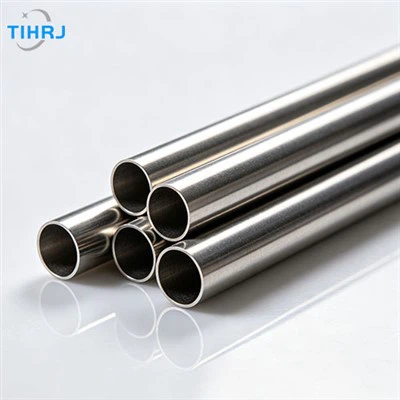
Titanium is gaining popularity in the automotive industry, especially in high-performance, luxury, and next-generation vehicles. While it is more expensive than traditional metals, titanium offers a unique set of advantages that can dramatically enhance vehicle performance, longevity, and innovation. Here's an industry-focused look at the primary benefits of using titanium in automobiles:
1. Exceptional Strength-to-Weight Ratio
Titanium is as strong as steel but about 45% lighter.
This allows automakers to create components that are both durable and lightweight, leading to:Improved acceleration and braking
Better fuel efficiency or longer EV range
Enhanced handling and agility
2. Superior Corrosion Resistance
Titanium naturally forms a stable oxide layer that protects it from rust, salt, and chemicals.
Ideal for parts exposed to harsh environments, such as:Exhaust systems
Underbody and suspension components
Fasteners and hardware
3. High Temperature Resistance
Titanium maintains its strength and integrity at high temperatures where steel and aluminum might deform or weaken.
Critical for:Exhaust pipes, mufflers, and headers
Engine valves and other components near the combustion chamber
4. Excellent Fatigue and Creep Resistance
Fatigue resistance: Withstands repeated stress cycles over time, making it ideal for moving engine and suspension parts.
Creep resistance: Maintains shape and strength under prolonged exposure to heat and stress.
5. Reduced Unsprung and Rotating Mass
Applications like suspension springs, connecting rods, and wheels benefit from titanium's low mass.
Result: Improved ride quality, quicker response, and less wear on other parts.
6. Longevity and Durability
Titanium's resistance to corrosion, heat, and fatigue means parts last longer, require less maintenance, and are less likely to fail.
Benefit: Lower lifetime costs and enhanced safety for critical components.
7. Biocompatibility and Non-Toxicity
Non-toxic and non-allergenic, though more relevant for medical and interior parts.
8. Aesthetic Appeal
Titanium's unique metallic sheen, ability to be anodized in various colors, and "burnt" hues on exhaust tips offer a distinct look favored in luxury and performance vehicles.
9. Sustainability and Recyclability
Titanium is 100% recyclable, supporting sustainable vehicle design and manufacturing.
Summary Table
| Advantage | Impact on Automobiles |
|---|---|
| High strength-to-weight | Better performance, fuel/energy efficiency |
| Corrosion resistance | Longer life, less maintenance, better for harsh climates |
| Heat resistance | Reliable exhaust and engine components |
| Fatigue/creep resistance | Durable moving parts, improved safety |
| Lower unsprung/rotating mass | Enhanced handling, response, and comfort |
| Longevity | Reduced part replacement, better long-term value |
| Aesthetics | Premium look, customizable finishes |
| Recyclability | Supports green manufacturing and end-of-life recycling |
Conclusion
The use of titanium in automobiles delivers game-changing benefits for performance, durability, and innovation.
While cost remains a barrier for mass-market applications, ongoing advances in processing and the push for lighter, more efficient vehicles are making titanium an increasingly attractive choice for the automotive industry.
Considering titanium for your automotive project or component? Let me know your requirements for expert advice on material selection and design!