Hey there! As a supplier of NPT Bungs, I'm super stoked to share with you all the nitty - gritty details about the maintenance procedures needed for these little but crucial components. NPT Bungs are used in a wide range of applications, from automotive exhaust systems to industrial piping setups. Keeping them in tip - top shape is essential for their proper functioning and longevity.
1. Regular Inspection
First things first, regular inspection is a must. You should check your NPT Bungs on a routine basis, depending on how often they're used. For high - usage scenarios, a weekly or bi - weekly inspection would be ideal. In less demanding situations, a monthly check can do the trick.
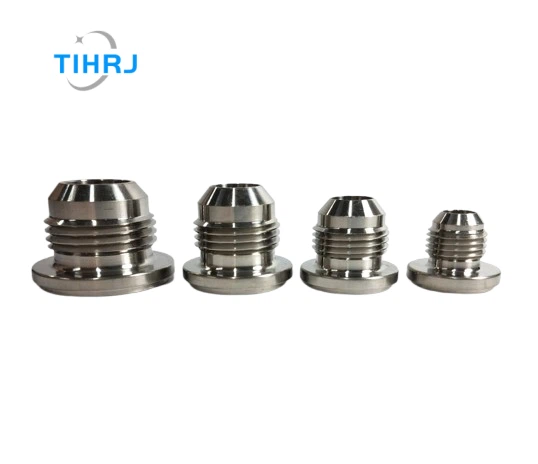

When you're inspecting, start by looking for any visible signs of damage. This includes cracks, chips, or any deformation in the bung's body. Cracks can lead to leaks, which can be a huge problem, especially in systems where pressure or fluid containment is critical. A small crack might seem harmless at first, but it can quickly grow under stress and cause major issues.
Next, examine the threads. The National Pipe Taper (NPT) threads are what make these bungs work. They need to be clean and free of debris. If you notice any dirt, rust, or other foreign particles on the threads, it can affect the sealing ability of the bung when it's installed. You can use a small brush or a cloth to gently clean the threads during inspection. And make sure to look for any signs of thread damage, like stripped or worn - out threads. A damaged thread won't create a proper seal, and you'll end up with leaks.
2. Cleaning
Cleaning your NPT Bungs is a key part of maintenance. Over time, dirt, oil, and other contaminants can build up on the surface and inside the bung. This not only looks bad but can also affect the performance.
For general cleaning, you can use a mild detergent and warm water. Soak the bung in the soapy water for a while to loosen up the dirt. Then, use a soft brush to scrub the surface and the threads. Be gentle when scrubbing the threads to avoid damaging them. After scrubbing, rinse the bung thoroughly with clean water and dry it completely.
In some cases, you might need to use a more specialized cleaner. For example, if there's a lot of rust on the bung, you can use a rust remover. But make sure to follow the instructions on the rust remover carefully. Some rust removers can be harsh and might damage the bung if used incorrectly. After using a rust remover, rinse the bung well and dry it to prevent any residual chemicals from causing further corrosion.
3. Lubrication
Lubrication is another important maintenance step. It helps to prevent the threads from seizing up and makes it easier to install and remove the bung. There are different types of lubricants you can use, such as thread sealant tape or thread lubricant paste.
If you're using thread sealant tape, wrap it around the male threads of the bung in a clockwise direction. Make sure to cover all the threads evenly. The tape not only lubricates the threads but also helps to create a better seal. When you're wrapping the tape, don't wrap it too tightly or too loosely. A good rule of thumb is to wrap it about 2 - 3 times around the threads.
Thread lubricant paste is also a great option. Apply a thin layer of the paste on the threads. The paste provides lubrication and can also fill in any small gaps in the threads, enhancing the sealing performance. Just be careful not to apply too much paste, as it can squeeze out and cause a mess.
4. Storage
Proper storage of NPT Bungs is often overlooked but is crucial for their long - term maintenance. When you're not using the bungs, you need to store them in a dry and clean environment. Moisture can cause rust and corrosion, so avoid storing them in damp areas like basements or near water sources.
You can use a storage container or a box to keep the bungs organized. Label the container so you know what's inside. If possible, separate different sizes and types of bungs to make it easier to find the one you need.
If you have a large number of bungs, you might want to consider using a rack or a cabinet for storage. This keeps them off the floor and reduces the risk of damage. And make sure to cover the bungs to protect them from dust and other contaminants.
5. Handling
How you handle NPT Bungs also affects their maintenance. When you're installing or removing a bung, use the right tools. For example, use a wrench that fits the bung properly. Using the wrong size or type of wrench can damage the bung or the threads.
Don't over - tighten the bung. Over - tightening can cause the threads to strip or the bung to crack. Follow the recommended torque specifications for the bung. If you're not sure about the torque, you can consult the manufacturer's guidelines.
Also, be careful when transporting the bungs. They can get damaged if they're tossed around or banged against hard surfaces. Use a padded container or a protective case when transporting them.
Different Types of Bungs and Their Specific Maintenance
There are various types of bungs related to NPT Bungs, and each might have some specific maintenance needs. For instance, the Oxygen Bung is commonly used in automotive exhaust systems to measure the oxygen content in the exhaust gases. These bungs are exposed to high temperatures and corrosive exhaust gases.
For Oxygen Bungs, in addition to the regular inspection, cleaning, and lubrication, you need to pay special attention to the sensor part. The sensor can get dirty or damaged over time. You might need to clean the sensor with a special sensor cleaner to ensure accurate readings.
The NPT Female Weld Bung is designed to be welded into a pipe or a container. After welding, you need to inspect the weld area for any cracks or defects. If there are any issues with the weld, it can affect the integrity of the bung. You might need to re - weld or repair the area.
The AN Bung is another type that is often used in high - performance applications. These bungs have a different thread design compared to NPT Bungs. When maintaining AN Bungs, make sure to use the appropriate lubricants and sealing materials that are compatible with their specific thread type.
In conclusion, maintaining NPT Bungs is not overly complicated, but it does require some attention to detail. By following these maintenance procedures, you can ensure that your bungs work well for a long time. Whether you're using them in a small DIY project or in a large industrial setting, proper maintenance is the key.
If you're in the market for high - quality NPT Bungs or have any questions about their maintenance, don't hesitate to reach out. We're here to help you with all your bung - related needs and look forward to discussing potential procurement opportunities with you.
References
- General knowledge about NPT Bungs from industry experience.
- Manufacturer's guidelines for various types of bungs.