Chemical stability is a critical characteristic when evaluating the performance and suitability of perforated ceramics for various applications. As a perforated ceramics supplier, I've witnessed firsthand the significance of understanding the chemical stability of these materials in different environments. In this blog, I'll delve into the concept of chemical stability in perforated ceramics, exploring its importance, the factors that influence it, and its implications for different industries.
Understanding Chemical Stability in Perforated Ceramics
Chemical stability refers to a material's ability to resist chemical reactions under specific conditions. For perforated ceramics, this means the material can maintain its physical and chemical properties when exposed to various chemicals, temperatures, and pressures. The porous structure of perforated ceramics adds an extra layer of complexity to this concept, as the pores can interact differently with chemicals compared to a solid ceramic surface.
One of the primary benefits of perforated ceramics is their high surface area due to the presence of pores. This increased surface area can enhance chemical reactions in some cases, such as in catalytic applications. However, it can also make the material more susceptible to chemical attack if the ceramic is not chemically stable. When a perforated ceramic is exposed to a corrosive chemical, the chemical can penetrate the pores and react with the inner surfaces of the ceramic, potentially leading to degradation of the material.
Factors Influencing Chemical Stability
Several factors can influence the chemical stability of perforated ceramics. These include the composition of the ceramic, the pore structure, and the environmental conditions to which the ceramic is exposed.
Composition of the Ceramic
The chemical composition of the ceramic is perhaps the most significant factor in determining its chemical stability. Different ceramic materials have different resistance levels to various chemicals. For example, alumina ceramics are known for their excellent chemical resistance to many acids and alkalis, making them suitable for use in harsh chemical environments. On the other hand, some ceramics may be more reactive and less stable when exposed to certain chemicals.
The additives and impurities present in the ceramic can also affect its chemical stability. Impurities can act as sites for chemical reactions, reducing the overall stability of the material. Therefore, careful control of the ceramic's composition during the manufacturing process is crucial to ensure high chemical stability.
Pore Structure
The pore structure of perforated ceramics, including the pore size, shape, and distribution, can significantly impact its chemical stability. Smaller pores can provide more protection against chemical penetration compared to larger pores, as they offer a longer diffusion path for the chemicals. Additionally, the shape of the pores can affect the flow of chemicals through the ceramic, influencing the rate of chemical reactions.
The distribution of pores also plays a role. A uniform pore distribution can lead to more consistent chemical stability throughout the material, while an uneven distribution may result in areas that are more susceptible to chemical attack.
Environmental Conditions
The environmental conditions to which the perforated ceramic is exposed can have a profound effect on its chemical stability. Temperature, pressure, and the presence of specific chemicals can all influence the rate and extent of chemical reactions.
Higher temperatures generally increase the rate of chemical reactions, as they provide more energy for the reactant molecules to overcome the activation energy barrier. Therefore, perforated ceramics used in high-temperature applications need to have excellent thermal and chemical stability.
The pressure can also affect chemical reactions, especially in gas-phase reactions. Higher pressures can increase the concentration of reactant molecules, leading to more frequent collisions and potentially faster reaction rates.
The presence of specific chemicals, such as acids, alkalis, and oxidizing agents, can cause different types of chemical reactions with the perforated ceramic. For example, acids can react with basic ceramics, while alkalis can attack acidic ceramics. Oxidizing agents can cause oxidation reactions, leading to the formation of new compounds on the surface of the ceramic.
Importance of Chemical Stability in Different Industries
The chemical stability of perforated ceramics is of great importance in various industries, including the chemical, automotive, and environmental sectors.
Chemical Industry
In the chemical industry, perforated ceramics are often used in reactors, separators, and catalysts. Chemical stability is crucial in these applications to ensure the long-term performance and reliability of the equipment. For example, in a chemical reactor, the perforated ceramic may be exposed to highly corrosive chemicals at high temperatures and pressures. If the ceramic is not chemically stable, it can degrade over time, leading to equipment failure and potential safety hazards.
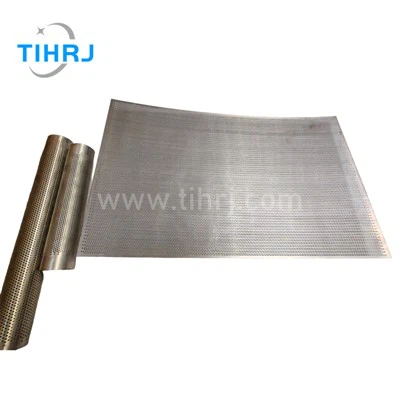
The Titanium Perforated Plate and Titanium Perforated Tube are examples of perforated materials that are widely used in the chemical industry due to their excellent chemical stability and corrosion resistance.
Automotive Industry
In the automotive industry, perforated ceramics are used in exhaust systems, such as catalytic converters. These ceramics need to have high chemical stability to withstand the harsh chemical environment in the exhaust gases, which contain various pollutants, including nitrogen oxides, carbon monoxide, and hydrocarbons. The chemical stability of the perforated ceramic ensures that the catalytic converter can effectively convert these pollutants into less harmful substances over its service life.


Environmental Sector
In the environmental sector, perforated ceramics are used in water treatment and air purification systems. Chemical stability is essential in these applications to ensure that the ceramic can effectively remove contaminants without being degraded by the chemicals in the water or air. For example, in a water treatment plant, the perforated ceramic may be used as a filter or a catalyst support. If the ceramic is not chemically stable, it can release contaminants into the water, defeating the purpose of the treatment.
Ensuring Chemical Stability in Perforated Ceramics
As a perforated ceramics supplier, we take several steps to ensure the chemical stability of our products.
Material Selection
We carefully select the ceramic materials based on their chemical properties and the specific requirements of the application. For applications in harsh chemical environments, we choose ceramics with high chemical resistance, such as alumina or zirconia.
Manufacturing Process
We use advanced manufacturing processes to control the composition, pore structure, and surface properties of the perforated ceramics. This includes techniques such as powder pressing, extrusion, and sintering. By carefully controlling these processes, we can ensure that the ceramic has a uniform composition and pore structure, leading to consistent chemical stability.
Quality Control
We implement strict quality control measures to ensure that our perforated ceramics meet the highest standards of chemical stability. This includes testing the ceramics in various chemical environments to evaluate their performance and durability. We also conduct regular inspections and audits to ensure that our manufacturing processes are consistent and reliable.
Conclusion
In conclusion, the chemical stability of perforated ceramics is a crucial factor that determines their performance and suitability for various applications. By understanding the factors that influence chemical stability, such as the composition of the ceramic, the pore structure, and the environmental conditions, we can ensure that our perforated ceramics meet the specific requirements of different industries.
If you're interested in learning more about our perforated ceramics or have specific requirements for your application, please feel free to contact us for a detailed discussion. Our team of experts is ready to assist you in selecting the right perforated ceramic products with excellent chemical stability for your needs.
References
- Kingery, W. D., Bowen, H. K., & Uhlmann, D. R. (1976). Introduction to Ceramics. Wiley.
- Reed, J. S. (1995). Principles of Ceramic Processing. Wiley.
- Schwartzwalder, K. S., & Somers, R. K. (1963). Cellular ceramics. American Ceramic Society Bulletin, 42(10), 559-564.