Hey there! I'm an HD Flange supplier, and today I wanna chat about the sealing methods for HD Flanges. It's super important to get the sealing right, 'cause it can make or break the performance of your whole system.
First off, let's talk about why sealing is such a big deal. HD Flanges are used in all sorts of applications, from industrial pipelines to automotive exhaust systems. A good seal prevents leaks, which can lead to all kinds of problems, like loss of pressure, contamination, and even safety hazards. So, choosing the right sealing method is crucial.
One of the most common sealing methods for HD Flanges is the use of gaskets. Gaskets are basically thin sheets of material that are placed between two flanges to create a tight seal. There are different types of gaskets available, and each has its own pros and cons.
1. Rubber Gaskets
Rubber gaskets are popular 'cause they're cheap and easy to install. They can handle a wide range of temperatures and pressures, making them suitable for many applications. They're also flexible, which means they can conform to the shape of the flanges, creating a good seal. However, rubber gaskets may not be suitable for high - temperature or corrosive environments. Over time, the rubber can degrade, losing its sealing properties.
2. Metal Gaskets
Metal gaskets, on the other hand, are more durable and can withstand higher temperatures and pressures. They're often used in industrial applications where the conditions are harsh. For example, in a chemical plant, metal gaskets can resist the corrosive effects of chemicals. There are different types of metal gaskets, like spiral - wound gaskets and ring - joint gaskets. Spiral - wound gaskets are made by winding a metal strip and a filler material together. They offer good sealing performance and can be used in a variety of flange types. Ring - joint gaskets are used mainly in high - pressure applications, like oil and gas pipelines.
Another sealing method is the use of O - rings. O - rings are circular rubber seals that are placed in a groove between the flanges. They're simple but effective. O - rings can provide a reliable seal, especially in applications where there's a need for a dynamic seal, like in a hydraulic system. They can handle a certain amount of movement between the flanges without losing their sealing ability.
Now, let's talk about some of the specific types of HD Flanges and their sealing requirements. If you're dealing with a V - Band Outlet Clamp, the sealing is often achieved through a combination of a gasket and the clamping force of the V - band. The V - band clamp holds the flanges together tightly, and the gasket fills in any gaps between the flanges to prevent leaks.
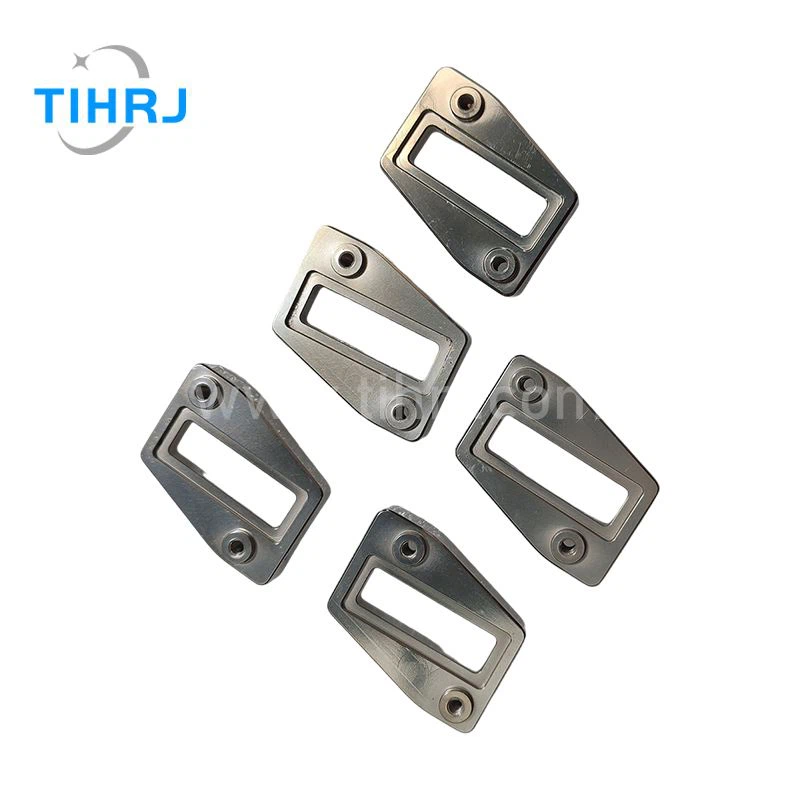
For MAF Flanges and Air Flow Sensor Titanium MAF Flanges, a proper seal is essential to ensure accurate air - flow measurement. These flanges are often used in automotive and aerospace applications. A well - sealed MAF Flange can prevent air leaks, which can affect the performance of the engine or the sensor. Usually, a high - quality rubber or silicone gasket is used to seal these flanges.
When it comes to installing the seals, there are some important things to keep in mind. First, make sure the flanges are clean and free of any debris or corrosion. Any dirt or rust on the flange surface can prevent the seal from working properly. Second, follow the manufacturer's instructions for installing the gaskets or O - rings. This includes the proper torque for tightening the bolts. Over - tightening the bolts can damage the gasket or the flange, while under - tightening can result in a leak.
In addition to gaskets and O - rings, there are also some other advanced sealing technologies available. For example, some flanges use a sealant compound. This is a liquid or paste - like material that's applied to the flange surface before assembling the flanges. The sealant fills in the microscopic gaps between the flanges, creating a tight seal. Sealant compounds can be useful in applications where a traditional gasket may not be sufficient, like in a joint with irregular surfaces.
However, sealant compounds also have their limitations. They may take some time to cure, and they may not be as durable as gaskets or O - rings in some cases. So, it's important to choose the right sealing method based on your specific application requirements.
To sum it up, choosing the right sealing method for HD Flanges depends on several factors, including the temperature, pressure, and chemical environment of the application. Gaskets, O - rings, and sealant compounds are all viable options, and each has its own advantages and disadvantages.

If you're in the market for HD Flanges and need help with choosing the right sealing method, I'm here to assist you. Whether you're working on an industrial project or a custom automotive build, I can provide you with high - quality HD Flanges and expert advice on sealing. Don't hesitate to reach out and start a conversation about your procurement needs. Let's work together to find the best solution for your sealing requirements.
References
- "Flange Sealing Technology Handbook", Industrial Sealing Association
- "Automotive Flange Design and Application", Automotive Engineering Institute