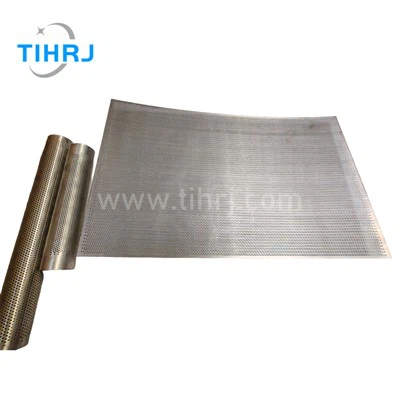
Hey there! As a supplier of Titanium Reducers, I've seen firsthand how these nifty little components can make a big difference in various applications. But, like any piece of equipment, using them safely is super important. So, let's dive into the safety precautions you should take when using a Titanium Reducer.
1. Handling and Storage
First off, when you receive your Titanium Reducer, handle it with care. Titanium is a strong material, but it can still get damaged if you're not gentle. Avoid dropping it or hitting it against hard surfaces. This can cause cracks or dents, which might compromise its performance and safety.
When it comes to storage, keep your Titanium Reducer in a dry, clean place. Moisture can lead to corrosion, even with titanium. A storage rack or a dedicated cabinet is ideal. Make sure it's away from any chemicals or substances that could react with the titanium. And if you're storing multiple reducers, stack them carefully to prevent them from toppling over and getting damaged.
2. Installation
Installing a Titanium Reducer is a crucial step, and it's essential to get it right. Before you start, read the installation instructions thoroughly. These instructions are there for a reason, and they'll guide you through the process safely and effectively.
Use the right tools for the job. Don't try to use makeshift tools or ones that aren't designed for titanium. This can cause damage to the reducer and increase the risk of accidents. For example, if you need to tighten bolts, use a torque wrench to ensure you're applying the correct amount of force.


During installation, make sure the reducer is properly aligned. Misalignment can lead to stress on the component, which can cause it to fail prematurely. Double - check the alignment at every step of the installation process.
Also, be aware of your surroundings. If you're installing the reducer in a confined space, make sure there's enough ventilation. Titanium can produce fumes during installation, especially if you're welding or cutting it. Inhaling these fumes can be harmful to your health, so proper ventilation is a must.
3. Operating Conditions
Understand the operating conditions of your Titanium Reducer. Each reducer is designed to work within a specific range of temperatures, pressures, and flow rates. Exceeding these limits can be dangerous.
For example, if the reducer is rated for a maximum pressure of 100 psi, don't operate it at 150 psi. This can cause the reducer to rupture, leading to leaks or even explosions in some cases. Keep an eye on the pressure gauges and other monitoring devices to ensure you're within the safe operating range.
Temperature is another important factor. Titanium can expand and contract with temperature changes. If the operating temperature is too high or too low, it can affect the integrity of the reducer. Make sure you have a way to control and monitor the temperature in the system where the reducer is installed.
4. Maintenance
Regular maintenance is key to ensuring the safety of your Titanium Reducer. Inspect it regularly for any signs of wear and tear. Look for cracks, corrosion, or loose connections. If you notice any issues, address them immediately.
Clean the reducer periodically. Dirt and debris can build up on the surface, which can affect its performance. Use a mild cleaning agent and a soft cloth to clean the reducer. Avoid using abrasive cleaners, as they can scratch the titanium surface.
If you need to replace any parts of the reducer, make sure you use genuine replacement parts. Using non - genuine parts can compromise the safety and performance of the reducer.
5. Training
If you or your employees are using the Titanium Reducer, make sure they're properly trained. Training should cover all aspects of using the reducer, from handling and installation to operation and maintenance.
A well - trained operator is less likely to make mistakes that could lead to accidents. Provide regular refresher courses to keep everyone up - to - date on the latest safety procedures.
6. Emergency Preparedness
Even with all the precautions in place, emergencies can still happen. So, it's important to be prepared. Have an emergency plan in place in case of a leak, rupture, or other safety issues.
The plan should include steps for shutting down the system safely, evacuating the area if necessary, and notifying the appropriate authorities. Make sure all employees are familiar with the emergency plan and know what to do in case of an emergency.
7. Compatibility
Ensure that the Titanium Reducer is compatible with the other components in the system. Using incompatible components can lead to chemical reactions, leaks, or other safety hazards.
For example, if the reducer is part of a fluid system, make sure the fluid is compatible with titanium. Some fluids can react with titanium, causing corrosion or other damage. Check the material compatibility charts provided by the manufacturer to make sure everything is a good match.
8. Labeling and Documentation
Proper labeling of the Titanium Reducer is important. The label should include information such as the model number, operating limits, and any special instructions. This makes it easy for operators to quickly understand the requirements of the reducer.
Keep all documentation related to the reducer, including installation instructions, maintenance records, and safety data sheets. This documentation can be invaluable in case of an emergency or if you need to troubleshoot a problem.
Conclusion
Using a Titanium Reducer safely is all about being informed, prepared, and careful. By following these safety precautions, you can ensure that your reducer operates smoothly and safely for a long time.
If you're in the market for a high - quality Titanium Reducer, we're here to help. We offer a wide range of reducers that are designed to meet your specific needs. Whether you're in the automotive, aerospace, or industrial sector, we've got the right reducer for you.
If you have any questions or want to discuss your requirements further, don't hesitate to reach out. We're always happy to have a chat and help you find the perfect solution for your project. Let's work together to ensure your operations are safe and efficient.
References
- Manufacturer's installation and operation manuals for Titanium Reducers.
- Industry standards for titanium components and safety procedures.