When it comes to using perforated tools, safety should always be your top priority. As a perforated supplier, I've seen firsthand the importance of following safety guidelines to prevent accidents and ensure a smooth operation. In this blog post, I'll share some key safety considerations you need to keep in mind when working with perforated tools.
Understanding Perforated Tools
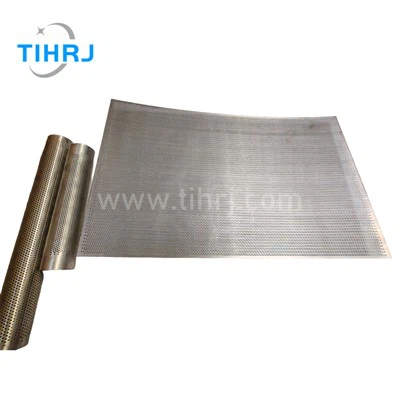
Before we dive into safety, let's quickly go over what perforated tools are. Perforated tools include items like Titanium Perforated Plate and Titanium Perforated Tube. These tools are used in a variety of industries, from automotive to construction, for tasks such as filtration, ventilation, and decorative purposes. They're made with holes or perforations that serve specific functions, depending on the application.
Personal Protective Equipment (PPE)
One of the first things you should do when using perforated tools is to gear up with the right personal protective equipment. This includes:
- Safety Glasses: Perforating can create small metal shavings or debris that can fly into your eyes. Wearing safety glasses with side shields will protect your eyes from these hazards.
- Gloves: A good pair of gloves will protect your hands from cuts and abrasions. Depending on the type of perforated tool you're using, you might need gloves made of cut-resistant material.
- Ear Protection: Some perforating machines can be quite noisy. If you're working in an environment where the noise level exceeds safe limits, wear earplugs or earmuffs to prevent hearing damage.
- Respirator: If the perforating process generates dust or fumes, a respirator is essential. It will filter out harmful particles and keep you from inhaling them.
Machine Safety
If you're using a perforating machine, there are several safety measures you need to follow:
- Read the Manual: Before operating any perforating machine, read the manufacturer's manual carefully. It will provide you with important information about the machine's operation, maintenance, and safety features.
- Inspect the Machine: Before each use, inspect the perforating machine for any signs of damage or wear. Check the blades, belts, and other moving parts to make sure they're in good working condition.
- Keep the Machine Clean: A clean machine is a safe machine. Regularly clean the perforating machine to remove debris and prevent buildup, which can cause malfunctions.
- Use the Right Settings: Make sure you're using the correct settings for the perforated tool and the material you're working with. Using the wrong settings can lead to poor performance and increase the risk of accidents.
- Stay Clear of Moving Parts: Never reach into the machine while it's running. Keep your hands, hair, and clothing away from the moving parts to avoid getting caught.
Material Handling
When handling perforated materials, take the following precautions:
- Secure the Material: Make sure the perforated material is securely fastened before you start working on it. This will prevent it from moving or shifting during the perforating process, which can cause inaccurate cuts or injuries.
- Lift with Care: Perforated materials can be heavy and awkward to lift. Use proper lifting techniques to avoid back injuries. If the material is too heavy, get help from a coworker.
- Store Properly: When you're not using the perforated materials, store them in a safe place. Keep them off the floor to prevent tripping hazards and protect them from damage.
Workspace Safety
Your workspace also plays a crucial role in safety. Here are some tips to keep your workspace safe:
- Keep it Organized: A cluttered workspace can increase the risk of accidents. Keep your tools and materials organized and put them away when you're done using them.
- Good Lighting: Make sure your workspace is well-lit. Poor lighting can make it difficult to see what you're doing and increase the risk of errors and injuries.
- Emergency Exits: Know where the emergency exits are in your workspace and make sure they're unobstructed. In case of an emergency, you need to be able to evacuate quickly.
- First Aid Kit: Have a fully stocked first aid kit readily available in your workspace. In case of an injury, you can provide immediate first aid until medical help arrives.
Training and Supervision
Proper training is essential for anyone using perforated tools. Make sure all employees are trained on the safe operation of the tools and machines they'll be using. Here's what training should include:
- Hands-on Training: Provide hands-on training so employees can practice using the perforated tools and machines in a safe environment.
- Safety Procedures: Teach employees about the safety procedures they need to follow, including the use of PPE, machine safety, and material handling.
- Emergency Response: Train employees on what to do in case of an emergency, such as a fire, machine malfunction, or injury.
Supervision is also important, especially for new employees. A supervisor can monitor their work, provide feedback, and ensure they're following the safety guidelines.
Maintenance and Inspection
Regular maintenance and inspection of your perforated tools and machines are essential for safety. Here's what you need to do:


- Schedule Maintenance: Set up a regular maintenance schedule for your perforating machines. This will include tasks such as lubrication, blade replacement, and belt adjustment.
- Inspect Tools Regularly: Inspect your perforated tools for any signs of damage or wear. Replace any worn or damaged parts immediately.
- Keep Records: Keep records of all maintenance and inspections. This will help you track the performance of your tools and machines and identify any potential issues.
Conclusion
Using perforated tools can be a safe and efficient way to work, as long as you follow the proper safety guidelines. By wearing the right PPE, following machine safety procedures, handling materials correctly, and maintaining a safe workspace, you can minimize the risk of accidents and injuries.
If you're in the market for high-quality perforated tools like Titanium Perforated Plate and Titanium Perforated Tube, we're here to help. We offer a wide range of perforated products that are made to meet the highest quality standards. If you have any questions or would like to discuss your procurement needs, feel free to reach out. We're always happy to have a chat and find the best solutions for you.
References
- Occupational Safety and Health Administration (OSHA) guidelines on machine safety and personal protective equipment.
- Manufacturer's manuals for perforating machines and tools.