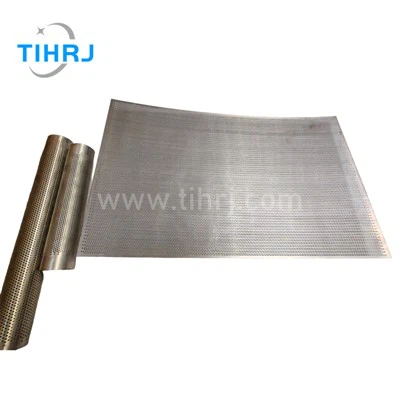
Hey there! I'm a supplier of Titanium Reducers, and today I wanna chat about the regulatory requirements for using these nifty things in different industries.
Let's start with the aerospace industry. Titanium is a popular choice in aerospace because of its high strength - to - weight ratio and excellent corrosion resistance. When it comes to using a Titanium Reducer in this field, there are some pretty strict regulations.
The Federal Aviation Administration (FAA) in the United States and the European Union Aviation Safety Agency (EASA) in Europe are the big players here. They set the standards for materials used in aircraft. For titanium reducers, the material must meet specific chemical composition requirements. The titanium alloy used has to have the right amount of elements like aluminum, vanadium, and others. This ensures that the reducer can withstand the extreme conditions in flight, such as high - altitude pressure changes and temperature variations.

Manufacturers also need to follow strict quality control processes. Every Titanium Reducer must go through non - destructive testing methods like ultrasonic testing and X - ray inspection. This is to detect any internal flaws or cracks that could compromise the safety of the aircraft. Documentation is super important too. There has to be a detailed record of the manufacturing process, including heat treatment, machining, and assembly. This documentation is used for traceability and to prove that the reducer meets all the regulatory standards.
Moving on to the automotive industry. In high - performance cars, especially those used in racing, Titanium Reducers are often used in the exhaust systems. The Society of Automotive Engineers (SAE) in the US and the International Organization for Standardization (ISO) have regulations that govern the use of titanium components in vehicles.
For one, the titanium used in automotive reducers has to be free from impurities that could affect its performance. The surface finish of the reducer is also regulated. A smooth surface finish helps to reduce exhaust back - pressure, which in turn improves engine efficiency. There are also regulations regarding the thickness of the titanium walls. If the walls are too thin, the reducer may not be strong enough to withstand the high - temperature and high - pressure exhaust gases. On the other hand, if they're too thick, it could add unnecessary weight to the vehicle.
In the marine industry, Titanium Reducers are used in various applications, such as in ship engines and seawater piping systems. The International Maritime Organization (IMO) and classification societies like Lloyd's Register and DNV GL set the rules here.

Since seawater is highly corrosive, the titanium used in marine reducers must have excellent corrosion resistance. The reducer has to be able to withstand long - term exposure to saltwater without significant degradation. There are also regulations regarding the installation of these reducers. They need to be installed in a way that ensures proper flow of fluids and minimizes the risk of leaks. The joints and connections of the reducers have to be properly sealed and tested to prevent seawater from seeping into the system.
The chemical processing industry also makes use of Titanium Reducers. In this industry, safety is of utmost importance because many chemical processes involve hazardous substances. The Occupational Safety and Health Administration (OSHA) in the US and similar regulatory bodies in other countries have rules for using titanium components.
The titanium used in chemical processing reducers has to be resistant to the specific chemicals being processed. For example, if the reducer is used in a process that involves strong acids, it must be made of a titanium alloy that can withstand acid corrosion. There are also regulations regarding the design of the reducer. It has to be designed in a way that prevents the accumulation of chemicals and reduces the risk of blockages. Additionally, the reducer must be properly labeled with information about the material, its chemical resistance, and any safety precautions.
In the medical industry, Titanium Reducers can be used in some specialized medical devices. The US Food and Drug Administration (FDA) and the European Medicines Agency (EMA) are the main regulatory authorities.
Medical - grade titanium has to meet very strict purity standards. It must be free from any contaminants that could cause an adverse reaction in the human body. The manufacturing process of medical titanium reducers has to be carried out in a cleanroom environment to prevent contamination. There are also extensive testing requirements, including biocompatibility testing to ensure that the reducer is safe for use in the human body.
Now, as a Titanium Reducer supplier, I understand how important it is to comply with all these regulatory requirements. We work hard to make sure that our products meet or exceed the standards set by these regulatory bodies. Whether you're in the aerospace, automotive, marine, chemical processing, or medical industry, you can count on us to provide high - quality Titanium Reducers that are compliant with all the relevant regulations.
If you're interested in purchasing Titanium Reducers for your industry, don't hesitate to reach out for a chat. We can discuss your specific needs and how our products can fit into your operations. Let's work together to get the best Titanium Reducers for your business!
References:
- Federal Aviation Administration (FAA) regulations
- European Union Aviation Safety Agency (EASA) standards
- Society of Automotive Engineers (SAE) guidelines
- International Organization for Standardization (ISO) standards
- International Maritime Organization (IMO) rules
- Lloyd's Register and DNV GL classification rules
- Occupational Safety and Health Administration (OSHA) regulations
- US Food and Drug Administration (FDA) requirements
- European Medicines Agency (EMA) regulations