Hey there! As a perforated leather supplier, I often get asked about the quality standards for perforated leather. It's a crucial topic, especially for those in the fashion, automotive, and furniture industries. In this blog, I'll break down the key quality standards you should look for when purchasing perforated leather.
Hole Size and Uniformity
One of the most obvious aspects of perforated leather is the holes. The size of the holes can vary depending on the intended use. For example, in automotive interiors, smaller holes might be preferred for a more refined look, while in fashion accessories, larger holes could create a bold statement.
The uniformity of the hole size is equally important. Inconsistent hole sizes can make the leather look unprofessional and can also affect its durability. A high - quality perforated leather should have holes that are all the same size within a very small margin of error. This requires precise machinery and skilled operators during the perforation process.
Hole Pattern
The pattern in which the holes are arranged also matters. There are various patterns available, such as a grid pattern, a random pattern, or a geometric pattern. The choice of pattern depends on the aesthetic requirements of the end - product.
A well - executed pattern should be consistent across the entire piece of leather. If you're using perforated leather for a large - scale project like car seats or a sofa, any irregularities in the pattern will be very noticeable. For instance, in a grid pattern, the rows and columns of holes should be straight and evenly spaced.
Leather Quality
Before the perforation process, the base leather itself needs to be of high quality. The type of leather, whether it's full - grain, top - grain, or split leather, can affect the overall quality of the perforated leather.
Full - grain leather is the highest quality as it retains the natural grain and is the most durable. It also has a better ability to withstand the perforation process without developing cracks or tears around the holes. Top - grain leather is also a good choice, as it has a smooth surface and is more affordable than full - grain. Split leather, on the other hand, is generally of lower quality and may not be as suitable for perforated leather applications due to its lower strength.
The tanning process also plays a role. Properly tanned leather will have better resistance to moisture, fading, and wear. For example, vegetable - tanned leather is known for its natural look and environmental friendliness, while chrome - tanned leather is more common in commercial applications due to its faster tanning process and good durability.
Edge Finishing
The edges of the perforated leather can often be overlooked, but they are an important part of the quality. A well - finished edge can prevent the leather from fraying and give the product a more polished look.
There are different methods of edge finishing, such as burnishing, edging with a leather glue, or using a leather sealant. Burnishing is a traditional method that involves rubbing the edges with a smooth object to create a smooth, shiny finish. Leather glue can be used to seal the edges and prevent them from coming apart. A leather sealant can provide an extra layer of protection against moisture and wear.
Colorfastness
When it comes to perforated leather, colorfastness is crucial. The holes in the leather can expose the inner layers, and if the color is not fast, it can fade or bleed over time. This is especially important in applications where the leather is exposed to sunlight or frequent handling.
High - quality perforated leather should be tested for colorfastness using industry - standard methods. For example, the leather can be exposed to a certain amount of sunlight or rubbed with a dry and wet cloth to simulate wear and tear. If the color remains stable, it indicates good colorfastness.
Durability
Durability is perhaps the most important quality standard for perforated leather. After all, no one wants a product that falls apart after a short period of use.
The perforation process should not significantly weaken the leather. The area around the holes should be able to withstand normal stress and strain without cracking or tearing. This can be achieved through proper selection of leather and a well - calibrated perforation process.
In addition, the overall thickness of the leather also affects its durability. Thicker leather is generally more durable, but it may not be suitable for all applications. For example, in some fashion items, a thinner leather might be preferred for a more lightweight and flexible feel.
Breathability
One of the main advantages of perforated leather is its breathability. The holes allow air to circulate, which can prevent sweating and make the product more comfortable to use.
A high - quality perforated leather should have a good balance between breathability and durability. If the holes are too large or too numerous, the leather may lose its strength. On the other hand, if the holes are too small or too few, the breathability will be compromised.
Cleanability
Cleanability is another important factor. Perforated leather can collect dust and dirt in the holes, so it should be easy to clean.
Leather that has been treated with a protective coating can be easier to clean. A simple wipe with a damp cloth should be enough to remove most of the dirt. However, it's important to use the right cleaning products to avoid damaging the leather. For example, harsh chemicals can strip the leather of its natural oils and cause it to dry out and crack.
Compatibility with Applications
Finally, the perforated leather should be compatible with its intended application. For example, if it's for automotive use, it needs to meet the safety and comfort standards of the automotive industry. This may include requirements for flame resistance, colorfastness under high - temperature conditions, and resistance to abrasion.


In the fashion industry, the perforated leather should be able to hold its shape and look good over time. It should also be suitable for the specific style of the garment or accessory.
If you're interested in purchasing high - quality perforated leather, we can provide you with samples so you can see and feel the difference for yourself. We offer a wide range of hole sizes, patterns, and leather types to meet your specific needs. Whether you're in the automotive, fashion, or furniture industry, we've got you covered.
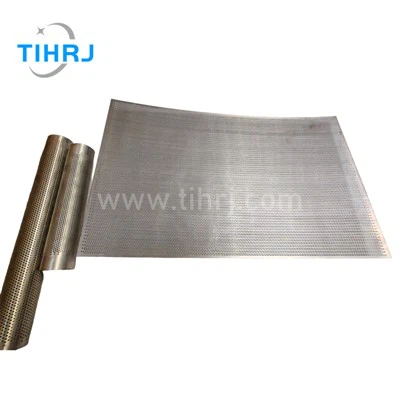
In addition to perforated leather, we also supply Titanium Perforated Plate and Titanium Perforated Tube for those in need of perforated metal products.
If you have any questions or would like to discuss your requirements further, don't hesitate to reach out. We're here to help you find the perfect perforated products for your project.
References
- Leather Industry Handbook: A comprehensive guide to leather production and quality standards.
- Automotive Interior Design Manual: Covers the specific requirements for leather used in car interiors.
- Fashion Leather Trends Report: Provides insights into the latest trends and quality expectations in the fashion industry.