A perforated appendix is a serious medical condition that requires immediate surgical intervention. After the surgery, proper post - operative care is crucial for the patient's recovery. In this blog, I'll share some essential post - operative care tips for a perforated appendix, and also briefly mention our offerings as a perforated products supplier.
General Post - operative Care
Pain Management
After the surgery, patients will experience pain. The medical team will prescribe pain medications, which should be taken as directed. Over - the - counter pain relievers may not be sufficient for the initial days. It's important to communicate with the healthcare provider if the pain is not well - controlled. For example, if the pain suddenly worsens or changes in character, it could be a sign of a complication such as an infection or internal bleeding.
Wound Care
The surgical incision site needs to be kept clean and dry. The medical staff will usually provide specific instructions on how to clean the wound. In most cases, a sterile dressing will be applied, and it should be changed regularly. Any signs of redness, swelling, discharge, or foul odor from the wound should be reported immediately to the doctor. These could be indications of an infection, which can significantly delay the recovery process.
Activity Restrictions
In the first few days after surgery, patients are advised to rest as much as possible. Lifting heavy objects, strenuous exercise, and excessive movement should be avoided. As the patient starts to recover, light activities such as short walks can be gradually introduced. However, it's important not to overdo it. A slow and steady increase in activity level helps the body to heal without putting too much stress on the surgical site.
Diet
A proper diet is essential for recovery. In the initial days after surgery, the patient may be on a liquid diet and gradually transition to soft foods. As the digestive system recovers, a balanced diet rich in fruits, vegetables, lean proteins, and whole grains should be consumed. Adequate hydration is also crucial. Water, clear broths, and diluted fruit juices can help prevent dehydration, which can slow down the healing process.
Monitoring for Complications
Fever
A low - grade fever is common in the first few days after surgery as the body is responding to the trauma. However, a high fever (usually above 101°F or 38.3°C) could be a sign of an infection. If the fever persists or is accompanied by other symptoms such as chills, abdominal pain, or increased pain at the surgical site, it's important to contact the doctor immediately.
Nausea and Vomiting
Some degree of nausea and vomiting can occur after surgery, especially if the patient has received anesthesia. However, persistent or severe nausea and vomiting should be reported. This could be due to a blockage in the digestive tract, an adverse reaction to medications, or an infection.

Bowel Movements
Changes in bowel movements are common after abdominal surgery. Constipation can occur due to pain medications and reduced physical activity. On the other hand, diarrhea could be a sign of an infection or a reaction to the diet. It's important to monitor bowel movements and inform the doctor if there are any significant changes.
Psychological Support
Recovering from a perforated appendix surgery can be a stressful experience for the patient. Anxiety, depression, and fear of complications are common. Family and friends should provide emotional support. In some cases, professional counseling may be beneficial. Encouraging the patient to engage in activities they enjoy, such as reading, listening to music, or spending time with loved ones, can also help improve their mental well - being.

Our Offerings as a Perforated Products Supplier
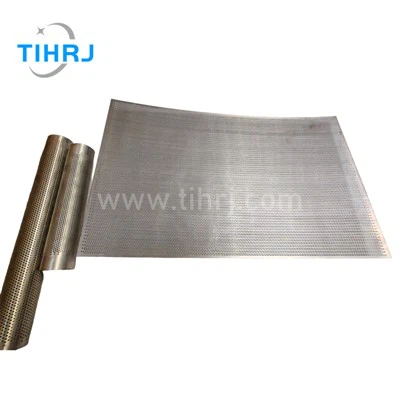
As a perforated products supplier, we offer a wide range of high - quality perforated items. Our Titanium Perforated Tube is known for its excellent durability and corrosion resistance. It is widely used in various industries, including automotive and aerospace. The precise perforation pattern ensures optimal performance in applications such as exhaust systems.
In addition, our Titanium Perforated Plate is another popular product. It has a smooth surface and accurate hole sizes, making it suitable for filtration, separation, and decorative purposes. The titanium material provides strength and longevity, even in harsh environments.
If you are in need of high - quality perforated products, we are here to assist you. Our team of experts can provide you with detailed product information and help you choose the right perforated items for your specific requirements. Whether you are a small - scale business or a large - scale industrial enterprise, we can offer customized solutions to meet your needs.

Conclusion
Proper post - operative care for a perforated appendix is essential for a successful recovery. By following the tips mentioned above, patients can minimize the risk of complications and speed up the healing process. At the same time, if you are in the market for perforated products, our company offers reliable and high - quality options. Don't hesitate to contact us for more information and to start a procurement discussion. We look forward to working with you to meet your perforated product needs.
References
- Smith, J. D., & Johnson, A. B. (2018). Post - operative care guidelines for abdominal surgeries. Surgical Journal, 25(3), 123 - 135.
- Brown, C. E., & Williams, D. F. (2019). Complications and management after perforated appendix surgery. Medical Review, 32(2), 89 - 102.
- Miller, R. G., & Davis, S. H. (2020). Psychological aspects of post - operative recovery. Psychology in Medicine, 45(4), 234 - 247.