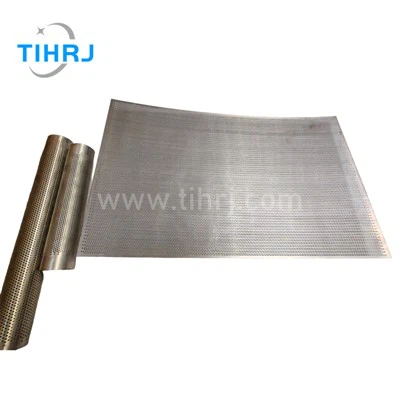
A perforated eardrum, also known as a tympanic membrane perforation, is a hole or tear in the thin tissue that separates the ear canal from the middle ear. This condition can be caused by various factors, such as ear infections, trauma, or sudden changes in pressure. While a perforated eardrum can often heal on its own, it can also have long - term effects on a person's health and well - being. In this blog, we'll explore these long - term effects in detail. As a perforated product supplier, we also want to offer high - quality perforated items like Titanium Perforated Tube and Titanium Perforated Plate for relevant industries.
Hearing Loss
One of the most common long - term effects of a perforated eardrum is hearing loss. The eardrum plays a crucial role in the process of hearing. When sound waves enter the ear canal, they cause the eardrum to vibrate. These vibrations are then transmitted to the tiny bones in the middle ear and eventually to the inner ear, where they are converted into electrical signals that the brain can interpret as sound.
A perforated eardrum disrupts this process. The hole or tear in the eardrum reduces its ability to vibrate properly in response to sound waves. As a result, less sound energy is transmitted to the middle and inner ear, leading to a decrease in hearing. The degree of hearing loss can vary depending on the size and location of the perforation. Small perforations may cause only mild hearing loss, while larger ones can result in more significant impairment.
In some cases, the hearing loss may be temporary, especially if the perforation heals on its own. However, if the perforation does not heal or if it causes damage to other structures in the ear, the hearing loss can be permanent. This can have a significant impact on a person's daily life, affecting their ability to communicate, work, and enjoy social activities.
Chronic Ear Infections
A perforated eardrum also increases the risk of chronic ear infections. The normal function of the eardrum is to act as a barrier, preventing bacteria, viruses, and other foreign substances from entering the middle ear. When the eardrum is perforated, this protective barrier is compromised.
Bacteria and other pathogens can easily enter the middle ear through the hole in the eardrum. Once inside, they can multiply and cause an infection. Chronic ear infections can be painful and may lead to further damage to the ear. They can also cause the perforation to become larger or prevent it from healing.
Repeated ear infections can result in the formation of scar tissue in the middle ear. This scar tissue can further damage the delicate structures in the ear, such as the tiny bones and the inner ear, and can exacerbate hearing loss. In addition, chronic ear infections can cause other complications, such as mastoiditis (an infection of the mastoid bone behind the ear) or meningitis (an infection of the membranes surrounding the brain and spinal cord).
Tinnitus
Tinnitus is another long - term effect that some people with a perforated eardrum may experience. Tinnitus is the perception of sound in the ears or head when there is no external sound source. It can manifest as a ringing, buzzing, hissing, or other types of noise.
The exact cause of tinnitus in people with a perforated eardrum is not fully understood. However, it is thought to be related to the disruption of the normal auditory pathway caused by the perforation. The abnormal vibrations or nerve signals generated in the ear due to the perforation may be interpreted by the brain as sound, resulting in tinnitus.
Tinnitus can be a persistent and bothersome condition. It can interfere with a person's ability to concentrate, sleep, and relax. In some cases, it can even lead to psychological problems, such as anxiety and depression.
Vertigo and Balance Problems
In rare cases, a perforated eardrum can cause vertigo and balance problems. The inner ear is responsible for maintaining balance and spatial orientation. It contains structures called the semicircular canals and the otolith organs, which detect changes in head position and movement.
A perforated eardrum can sometimes cause damage to the inner ear or disrupt the normal flow of fluid in the ear. This can affect the function of the balance - sensing structures in the inner ear, leading to vertigo (a spinning sensation) and balance problems. People with these symptoms may have difficulty walking, standing, or performing other activities that require good balance.
These balance problems can increase the risk of falls, which can be particularly dangerous for older adults or people with other health conditions. In addition, the vertigo and balance problems can have a significant impact on a person's quality of life, limiting their mobility and independence.
Eustachian Tube Dysfunction
The Eustachian tube is a narrow passage that connects the middle ear to the back of the throat. Its main function is to equalize the pressure between the middle ear and the outside environment. This helps to keep the eardrum in a healthy state and ensures proper hearing.
A perforated eardrum can disrupt the normal function of the Eustachian tube. The hole in the eardrum can cause changes in the pressure within the middle ear, which can in turn affect the opening and closing of the Eustachian tube. When the Eustachian tube does not function properly, it can lead to problems with pressure equalization.
This can result in a feeling of fullness or pressure in the ear, as well as difficulties with popping or clearing the ears. Eustachian tube dysfunction can also contribute to the development of ear infections and can worsen existing hearing problems.
Impact on Quality of Life
The long - term effects of a perforated eardrum can have a profound impact on a person's quality of life. Hearing loss can make it difficult for people to communicate effectively with others. They may have trouble understanding conversations, especially in noisy environments. This can lead to social isolation and feelings of loneliness.
Chronic ear infections can be painful and inconvenient. They often require frequent doctor visits and the use of antibiotics, which can have side effects. The discomfort and pain associated with ear infections can also disrupt sleep and affect a person's overall well - being.


Tinnitus and balance problems can be equally debilitating. Tinnitus can be a constant distraction, making it difficult to focus on tasks or enjoy quiet moments. Balance problems can limit a person's ability to participate in physical activities and can increase the risk of accidents.
As a perforated product supplier, we understand the importance of high - quality perforated items in different industries. Our Titanium Perforated Tube and Titanium Perforated Plate are made with precision and meet the highest standards. Whether you are in the automotive, aerospace, or any other industry that requires perforated products, we are here to provide you with the best solutions.
If you are interested in our perforated products, we encourage you to reach out to us for procurement and further discussions. We are committed to providing excellent customer service and ensuring that you get the products that meet your specific needs.
References
- "Diagnosis and Management of Tympanic Membrane Perforation" - American Academy of Otolaryngology - Head and Neck Surgery
- "Ear Infections: Causes, Symptoms, and Treatment" - Mayo Clinic
- "Hearing Loss: Types, Causes, and Treatment" - National Institute on Deafness and Other Communication Disorders