Do straight pipes need a valve in some systems?
As a supplier of straight pipes, I've encountered numerous inquiries regarding the necessity of valves in straight pipe systems. This topic is crucial for both automotive enthusiasts and industry professionals, as it directly impacts the performance, functionality, and user experience of exhaust systems. In this blog, I'll delve into the technical aspects of straight pipes and valves, exploring when and why a valve might be required in certain systems.
Understanding Straight Pipes
Straight pipes are a fundamental component of many exhaust systems, known for their simplicity and efficiency. They offer a direct path for exhaust gases to exit the engine, minimizing restrictions and allowing for a more straightforward flow. This design is particularly popular among those seeking to enhance engine performance, as it can increase horsepower and torque by reducing backpressure.
One of the key advantages of straight pipes is their ability to provide a more aggressive exhaust note. The unrestricted flow of gases creates a louder, more distinctive sound that many car enthusiasts find appealing. However, this can also be a drawback in some situations, such as when driving in residential areas or during early morning hours.
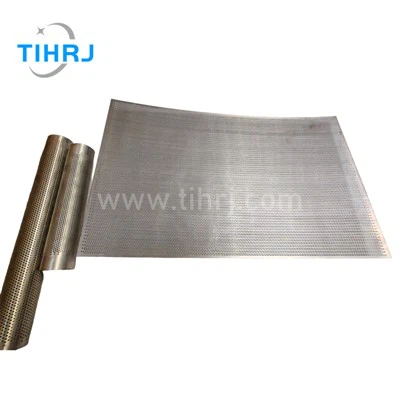
Our company offers a range of high - quality straight pipes, including the Grade 2 Car Exhaust Pipe, Car Exhaust Flexible Pipes, and Titanium Straight Tube 1.2mm. These products are made from premium materials, ensuring durability and optimal performance.
The Role of Valves in Exhaust Systems
Valves in exhaust systems serve several important functions. Firstly, they can control the flow of exhaust gases. By opening or closing the valve, the amount of gas passing through the exhaust system can be regulated. This is particularly useful in situations where different levels of performance are required. For example, during normal driving conditions, the valve can be closed to reduce noise and improve fuel efficiency. When more power is needed, such as during acceleration or high - speed driving, the valve can be opened to allow for a more unrestricted flow of gases, increasing engine performance.
Secondly, valves can help to manage exhaust noise. As mentioned earlier, straight pipes can produce a very loud exhaust note, which may not be suitable for all environments. A valve can be used to dampen the sound when necessary, providing a more comfortable driving experience. This is especially important for daily drivers who need to balance performance and noise levels.
Situations Where Valves are Necessary
- Street - Legal Requirements
In many regions, there are strict noise regulations for vehicles. A straight pipe without a valve may produce a noise level that exceeds these limits, making the vehicle illegal to drive on public roads. By installing a valve, the exhaust noise can be controlled to meet the legal requirements. For example, in urban areas with noise restrictions, the valve can be closed to keep the noise within the acceptable range. When the vehicle is on a race track or a less - populated area, the valve can be opened to enjoy the full performance and sound of the straight pipe. - Dual - Mode Performance
Some drivers want to have the best of both worlds: the quietness and fuel efficiency of a stock exhaust system during normal driving and the high - performance capabilities of a straight pipe when needed. A valve - equipped straight pipe system allows for this dual - mode operation. When commuting to work or running errands, the valve can be set to a closed position, providing a more subdued exhaust note and potentially better fuel economy. When hitting the track or going on a spirited drive, the valve can be opened to unleash the full power of the engine. - Engine Tuning and Adaptability
In certain engine tuning scenarios, a valve can be used to fine - tune the exhaust flow. Different engine setups may require different levels of backpressure at various RPM ranges. A valve can be adjusted to optimize the exhaust flow characteristics according to the engine's needs. For example, in a turbocharged engine, the valve can be used to control the amount of exhaust gas directed towards the turbocharger, enhancing its efficiency and performance.
Situations Where Valves May Not Be Necessary
- Race - Only Vehicles
For vehicles that are used solely for racing purposes, valves may not be necessary. Race cars are typically not subject to street - legal noise regulations, and the focus is on maximizing performance. A straight pipe without a valve provides the most direct and unrestricted flow of exhaust gases, which is ideal for achieving the highest possible horsepower and torque. - Budget - Constrained Projects
In some cases, cost can be a determining factor. Valves and the associated control systems can add significant cost to an exhaust system. For those on a tight budget, a simple straight pipe may be the more practical choice. While it may not offer the same level of flexibility as a valve - equipped system, it can still provide a noticeable improvement in engine performance at a lower cost.
Considerations When Installing a Valve in a Straight Pipe System
- Valve Type and Quality
There are different types of valves available, such as butterfly valves, gate valves, and flapper valves. Each type has its own advantages and disadvantages in terms of flow characteristics, durability, and cost. It's important to choose a high - quality valve that is suitable for the specific application. A poorly designed or low - quality valve may not function properly, leading to issues such as leakage, inconsistent flow control, or premature failure. - Control System
A valve in a straight pipe system needs to be controlled effectively. This can be done manually or electronically. Manual control systems are simpler and more cost - effective but may not be as convenient as electronic systems. Electronic control systems allow for more precise and automated operation, often using sensors and a control unit to adjust the valve position based on engine parameters such as RPM, throttle position, and vehicle speed. - Installation and Compatibility
Proper installation of the valve is crucial for its optimal performance. The valve needs to be installed in the correct location within the exhaust system to ensure proper flow control. Additionally, it's important to ensure that the valve is compatible with the existing straight pipe and other components of the exhaust system. Incompatible parts can lead to issues such as poor sealing, increased backpressure, or damage to the valve or other components.
Conclusion
In conclusion, whether straight pipes need a valve in some systems depends on a variety of factors, including legal requirements, performance needs, and budget. While straight pipes offer many benefits in terms of performance and sound, a valve can add an extra layer of functionality and versatility. For street - legal vehicles and those requiring dual - mode operation, a valve - equipped straight pipe system can be a great solution. On the other hand, race - only vehicles or budget - constrained projects may not require a valve.
If you're considering upgrading your exhaust system with a straight pipe or a valve - equipped straight pipe, we're here to help. Our team of experts can provide you with detailed information and guidance on choosing the right products for your specific needs. We offer a wide range of straight pipes and related components, all designed to meet the highest standards of quality and performance. Contact us to discuss your requirements and start the procurement process.


References
- Smith, J. (2018). Exhaust System Design and Performance. Automotive Engineering Journal, 45(2), 78 - 85.
- Johnson, A. (2019). The Impact of Exhaust Valves on Engine Performance. Journal of Automotive Technology, 32(3), 112 - 120.
- Brown, C. (2020). Noise Regulations and Exhaust System Design. Environmental Automotive Research, 15(1), 34 - 41.