Hey there! As a titanium wire supplier, I often get asked if titanium wire can be used in medical applications. Well, the short answer is yes, and in this blog, I'm gonna dive deep into why titanium wire is a top - choice in the medical field, its properties, and some common uses.
First off, let's talk about what makes titanium wire so special. Titanium is a super - cool metal. It's lightweight yet incredibly strong. You know how some metals can get all rusty and corroded over time? Not titanium. It has excellent corrosion resistance, which is a huge plus in medical settings. The human body is a complex environment full of fluids and chemicals, and a material that can withstand these conditions without breaking down is essential.
One of the most important properties of titanium wire in medical applications is its biocompatibility. What does that mean? Simply put, it means that the human body doesn't reject titanium easily. When a foreign material is introduced into the body, the immune system can sometimes recognize it as an invader and launch an attack. But titanium wire has a low reactivity with body tissues, so it can be safely used inside the body without causing major immune responses. This is crucial for long - term implants and medical devices.
Now, let's look at some common medical uses of titanium wire. One of the most well - known applications is in orthopedics. Titanium wire is often used in bone fixation. When a bone is broken, doctors need to hold the broken pieces together so they can heal properly. Titanium wire can be used to tie bones or attach bone fragments to plates and screws. Its strength ensures that it can withstand the mechanical stresses placed on the bones during movement, while its biocompatibility means it won't cause any harm to the surrounding bone and soft tissues.
In dental applications, titanium wire is also a star player. It's used in orthodontics for making braces. Braces work by applying gentle pressure to the teeth to move them into the correct position. Titanium wire's flexibility allows it to be shaped easily to fit the specific needs of each patient's teeth. At the same time, its strength ensures that it can maintain the necessary pressure over a long period. And because it's biocompatible, it won't cause irritation to the gums or other oral tissues.
Another area where titanium wire is used is in cardiovascular surgery. In some cases, it can be used to repair or reinforce blood vessels. The wire's corrosion resistance is especially important here, as it needs to last in the highly corrosive blood environment. Its strength also helps to maintain the structural integrity of the repaired vessels.
But it's not just about the internal medical applications. Titanium wire can also be used in external medical devices. For example, it can be used in the manufacturing of surgical instruments. The wire's strength and durability make it suitable for making parts of forceps, scissors, and other tools that need to be able to withstand repeated use and sterilization.
Now, besides medical applications, titanium wire has a wide range of other uses. If you're into automotive or motorcycle exhaust systems, you might be interested in some related products. We also have Titanium Gaskets that are made with high - quality titanium. These gaskets are designed to provide a tight seal in exhaust systems, preventing leaks and improving performance.
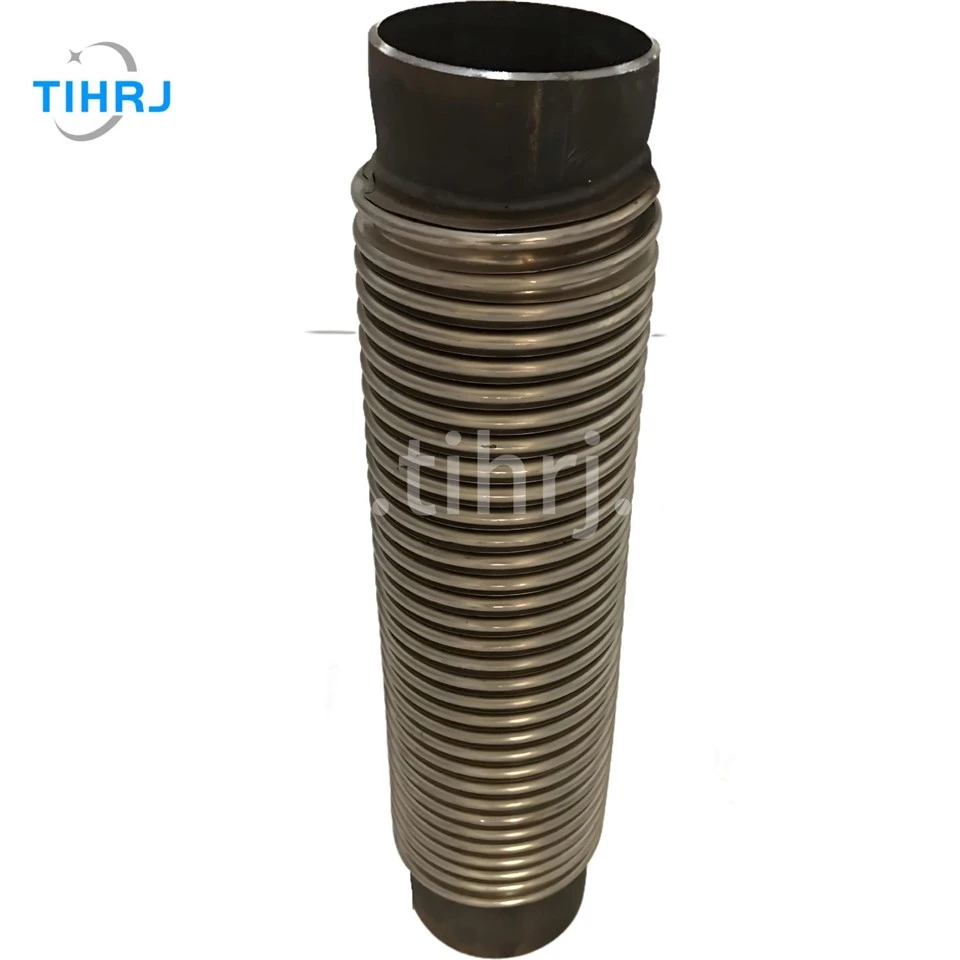
There are also Exhaust Bellows. These are flexible components in the exhaust system that can absorb vibrations and movements. Titanium's properties make it an ideal material for exhaust bellows, as it can withstand high temperatures and corrosion.
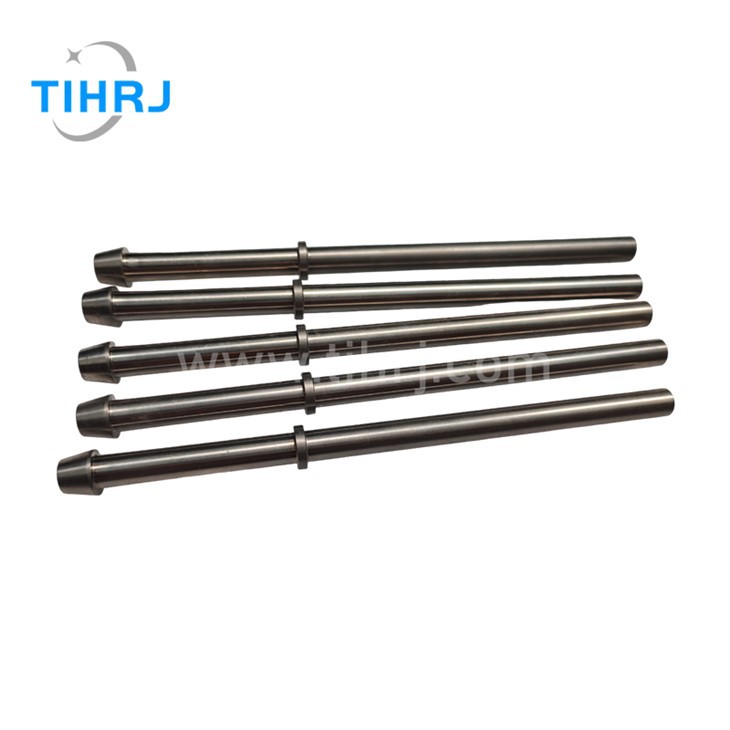
And let's not forget about Titanium Hanger Rod. These rods are used to support the exhaust system, and titanium's strength - to - weight ratio makes it a great choice. It can hold the heavy exhaust components in place while adding minimal extra weight to the vehicle.
If you're in the medical industry or any other industry that could benefit from titanium wire, I'd love to talk to you. Whether you need titanium wire for a small - scale project or a large - scale production, we've got you covered. We offer high - quality titanium wire in different grades, diameters, and lengths to meet your specific requirements. Our team of experts can also provide technical support and advice to help you choose the right product for your needs.
In conclusion, titanium wire is an incredibly versatile material with a wide range of medical and non - medical applications. Its unique properties of strength, corrosion resistance, and biocompatibility make it a top choice in the medical field. So, if you're looking for a reliable source of titanium wire, don't hesitate to reach out. Let's have a chat about how we can work together to meet your titanium wire needs.
References
- "Biomaterials Science: An Introduction to Materials in Medicine" by Buddy D. Ratner, Allan S. Hoffman, Frederick J. Schoen, and Jeffrey E. Lemons.
- "Orthopedic Biomaterials in Research and Practice" edited by Peter F. Staubli and J. Kent Leach.
- Various medical research papers on titanium use in orthopedics, dentistry, and cardiovascular surgery.