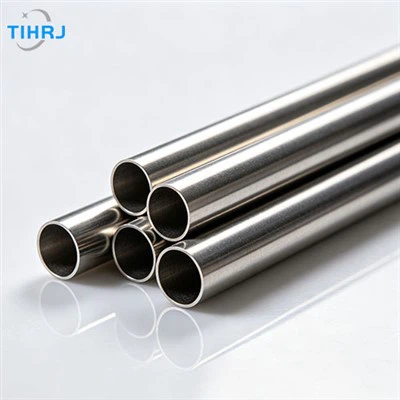
What is Titanium Coating?
Titanium coating is the application of a thin layer of titanium to a substrate of a different material to improve its performance and durability. Titanium coatings are usually applied by physical vapor deposition and are known for their hardness, excellent adhesion and protective properties. These coatings are distinguished from other metal coatings by their excellent corrosion resistance and biocompatibility.
How are titanium coatings prepared?
Titanium coatings are prepared by a variety of methods, including physical vapor deposition, chemical vapor deposition, and electrochemical deposition. Among them, physical vapor deposition is one of the widely used preparation methods. In this method, titanium metal or its compounds are evaporated and sprayed onto the surface of a substrate to form a titanium coating. Chemical vapor deposition is another common method in which titanium metal or its compounds are heated to a high temperature and reacted with a gas to form a titanium coating. Electrochemical deposition is a method of forming a titanium coating on the surface of a substrate through an electrochemical reaction.
Main applications of titanium coatings
Medical Devices: Titanium coatings are vital in the medical field as they are biocompatible, ensuring compatibility with human tissue and preventing adverse reactions. These coatings are primarily used in devices such as orthopedic implants (including hip and knee replacements), where durability and corrosion resistance are critical to the longevity of the device. In addition, titanium is used in dental implants and surgical instruments because it can withstand repeated sterilization without degradation. Titanium's anti-microbial properties also help reduce the risk of infection, an important consideration in surgical and long-term implants. Overall, titanium coatings can improve the performance and safety of a wide range of medical devices.
Microelectronics: Titanium films play an important role in the electronics industry because of their good electrical conductivity and corrosion resistance. Titanium films are commonly used in the production of capacitors and resistors, where it is critical to maintain stable performance over a wide range of temperatures. In addition, titanium's durability and high melting point make it ideally suited for use in semiconductor devices, where it protects sensitive components from thermal stresses and environmental pressures.
Benefits of Titanium Coatings
Enhanced Durability: Titanium coatings can greatly extend the life of treated materials. By adding a strong coating to the substrate, these coatings prevent wear and reduce degradation from regular use. This increased durability is especially beneficial to industries such as aerospace and automotive, where durable components are critical to safety and functionality.
Improved Aesthetics: Titanium coatings can also enhance the visual appeal of a product. Titanium coatings can impart a glossy and high-gloss finish that not only improves a product's appearance, but also increases its market value. This is particularly important in consumer products and architectural components, where aesthetics can influence purchasing decisions.
Superior protection: Titanium coatings provide excellent protection against environmental and chemical factors. Even in salt water or high concentrations of industrial chemicals, titanium coatings are highly resistant to corrosion. As a result, titanium coatings are ideal for marine applications, chemical processing plants, and anywhere corrosion resistance is required for longevity and performance.