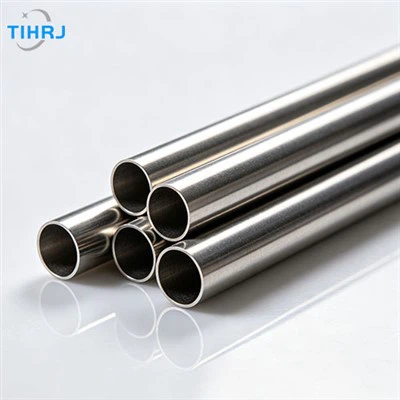
Why Are Titanium Exhausts So Loud?
Titanium exhaust systems are renowned not just for their lightweight construction and exotic appearance, but also for their distinctively loud and sharp sound. Many automotive and motorcycle enthusiasts upgrade to titanium exhausts as much for the auditory experience as for the performance gains. But what makes titanium exhausts so loud compared to steel or stainless steel systems? Let's explore the scientific and engineering reasons behind their unique sound characteristics.
1. Material Properties and Sound Transmission
Titanium has unique physical properties that directly influence how sound waves pass through and are emitted by the exhaust system:
Lower Density:
Titanium is much lighter than steel or stainless steel. This means it absorbs less sound energy, allowing more of the exhaust pulse's energy to reach your ears.
High Stiffness:
Titanium's stiffness (high Young's modulus) means the material vibrates less but transmits sound more efficiently, particularly higher-frequency (sharper) tones.
Thin Walls:
Titanium's strength allows for thinner pipe walls without compromising durability. Thinner walls vibrate and resonate more, amplifying the exhaust sound and creating a louder, more aggressive tone.
2. Acoustic Resonance and Frequency Response
Sharper Resonance:
The combination of thin walls and high stiffness means titanium pipes act almost like a musical instrument, resonating with the exhaust pulses and amplifying certain frequencies-especially higher, metallic notes.
Reduced Damping:
Steel and stainless steel tend to dampen or mute sound waves more than titanium, resulting in a less "raw" sound.
3. Design Choices Enabled by Titanium
Less Internal Muffling:
Performance titanium exhausts are often designed with less restrictive mufflers or resonators to save weight and maximize power. This design choice in conjunction with titanium's properties produces a louder, less restricted sound.
Larger Diameter Pipes:
Titanium's strength-to-weight ratio allows for larger diameter pipes without excessive weight, which also increases exhaust noise and changes the pitch.
4. Heat Effects
Consistent Sound at High Temperatures:
Titanium maintains its properties at higher exhaust temperatures, so the sound stays consistent, sharp, and loud even during aggressive driving or racing.
5. Comparison Table: Exhaust Material and Loudness
| Material | Typical Sound Characteristics | Relative Loudness |
|---|---|---|
| Mild Steel | Deep, muted, "classic" | Low–Medium |
| Stainless Steel | Sharper, more pronounced | Medium |
| Titanium | Loud, sharp, metallic, "exotic" | High |
| Inconel | Very raspy, loud, race-oriented | High |
6. Application Examples
Supercars/Hypercars:
Titanium exhausts are chosen for both weight savings and their wild, attention-grabbing sound.
Performance Motorcycles:
Riders prefer titanium for a loud, crisp, "racebike" note.
Motorsport:
Loud, lightweight exhausts help maximize performance and create a signature sound on track.
Conclusion
Titanium exhausts are so loud because their unique material properties-light weight, high stiffness, and thin walls-minimize sound absorption and maximize resonance. Combined with less restrictive design, this results in a sharper, more metallic, and much louder exhaust note compared to traditional materials. For enthusiasts, this "loudness" is not just noise, but an integral part of the driving or riding experience.
Interested in learning how to tune a titanium exhaust for a specific sound, or want to know if it's right for your vehicle? Let me know your application!