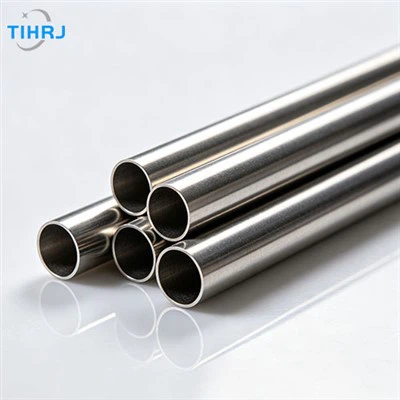
Common Welding Methods for Titanium and Industry Knowledge
Titanium is widely used in high-end manufacturing sectors such as aerospace, chemical engineering, and medicine due to its high strength, low density, excellent corrosion resistance, and high-temperature performance. The welding process for titanium differs from that of conventional metals (such as steel and aluminum), mainly because titanium is extremely sensitive to active gases like oxygen, nitrogen, and hydrogen. At high temperatures, titanium easily reacts with these gases, causing weld embrittlement. Selecting appropriate welding methods and implementing strict protective measures are key to ensuring the quality of titanium welding.
Common Welding Methods for Titanium and Titanium Alloys
1. TIG Welding (Tungsten Inert Gas Welding)
TIG welding is the most commonly used method for welding titanium and its alloys. Its advantages include:
- The welding area is protected by high-purity argon, effectively isolating impurities from the air.
- Weld seams are neat and of high quality.
- Suitable for thin plates and complex structures.
Process Essentials:
- Pure argon is typically used, with a higher gas flow rate than for other metals.
- Both the front and back sides of the weld need to be protected to prevent oxidation.
- The electrode must not touch the workpiece to avoid contamination.
2. Plasma Arc Welding (PAW)
Plasma arc welding is similar to TIG welding, but the plasma arc is more concentrated and has higher energy. It is suitable for thicker titanium materials, high-precision welding, and automated production lines. This method offers fast welding speeds, minimal deformation, and excellent weld quality.
3. Laser Welding and Electron Beam Welding
Laser welding and electron beam welding are high-energy beam welding methods. Their advantages include a small heat-affected zone, fast welding speeds, and suitability for automation and precision welding. These methods are mainly used in aerospace and high-end manufacturing fields.
4. Resistance Welding (Spot Welding, Seam Welding)
This method is suitable for joining thin titanium plates, such as titanium components in medical devices and chemical equipment.
Industry Application Examples
| Industry | Application Examples | Welding Methods |
|---|---|---|
| Aerospace | Engine blades, fuselage parts | TIG, Laser Welding |
| Chemical | Heat exchangers, reactors, pipes | TIG, Plasma Arc Welding |
| Medical | Artificial joints, orthopedic implants | TIG, Spot Welding |
Precautions for Titanium Welding
- High-Purity Shielding Gas: Shielding gas purity must be ≥99.99% to avoid impurities like oxygen, nitrogen, and hydrogen.
- Clean Welding Area: Thoroughly remove oil, oxides, and other contaminants before welding-usually by combining mechanical and chemical cleaning.
- Specialized Equipment: Welding torches, fixtures, and wire feeding mechanisms must be dedicated to prevent cross-contamination.
- Temperature Control: Minimize exposure to excessive temperatures to prevent grain coarsening and brittle phase formation.
Conclusion
Titanium alloy welding is a highly demanding process in terms of technology and environment. With the development of advanced manufacturing, welding technology for titanium and its alloys is continuously improving. Automation and intelligent welding equipment are becoming increasingly popular, significantly enhancing weld quality and production efficiency.