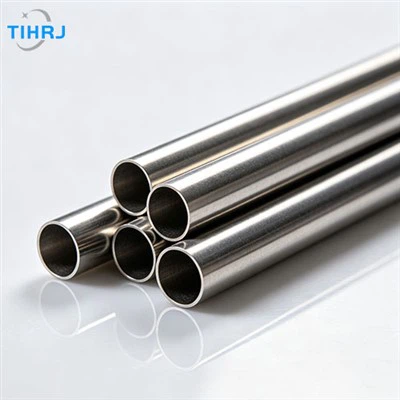
What's Special About Titanium?
Titanium is often called the "space age metal," and for good reason. It possesses a combination of properties that make it uniquely valuable across a range of industries, from aerospace and medical to high-end sports equipment and luxury goods. Here's what makes titanium so special:
1. Exceptional Strength-to-Weight Ratio
Strength Comparable to Steel: Titanium can be as strong as many steels.
Much Lighter: It weighs about 45% less than steel, making it ideal for applications where reducing weight is crucial-like aircraft, spacecraft, and performance vehicles.
2. Outstanding Corrosion Resistance
Naturally Forms a Protective Oxide Layer: This thin, invisible layer protects titanium from most forms of chemical attack, including saltwater, acids, and chlorine.
Doesn't Rust: Unlike iron-based metals, titanium is highly resistant to oxidation and corrosion, even in aggressive environments.
3. Biocompatibility
Non-Toxic and Non-Reactive: Titanium is not rejected by the human body, making it the material of choice for medical implants, prosthetics, and surgical instruments.
Hypoallergenic: It's unlikely to cause allergic reactions, which is why it's popular for body jewelry and medical devices.
4. High Melting Point
Melting Point ~1,668°C (3,034°F): Titanium retains its strength at high temperatures, making it suitable for jet engines, exhaust systems, and other heat-exposed components.
5. Unique Appearance
Anodizing for Color: Titanium can be anodized to produce a range of vivid colors without dyes, giving it a distinctive look for luxury goods, jewelry, and custom hardware.
Modern, Metallic Sheen: Its natural luster and grayish-silver appearance are highly attractive and associated with advanced technology.
6. Non-Magnetic and Non-Sparking
Safe for Sensitive Environments: Its non-magnetic nature makes it suitable for MRI equipment and electronics, while its non-sparking property is valuable in explosive or flammable settings.
7. Versatility Across Industries
| Industry | Titanium Application Examples |
|---|---|
| Aerospace | Airframes, jet engines, fasteners |
| Medical | Implants, surgical tools, dental devices |
| Marine | Ship components, propeller shafts, heat exchangers |
| Sports | Golf clubs, bike frames, eyewear, watches |
| Automotive | Exhausts, valves, connecting rods, performance parts |
| Chemical | Processing equipment, reactors, heat exchangers |
8. Challenges and Limitations
Difficult to Machine and Weld: Specialized tools and knowledge are required.
Expensive: Extraction and processing are energy-intensive, making it pricier than most metals.
Limited Availability: Not as abundant or widely used as steel or aluminum.
Conclusion
Titanium is special because it combines high strength, light weight, superior corrosion resistance, biocompatibility, and a unique appearance.
These properties make it indispensable for critical, high-performance, or luxury applications-despite its cost and fabrication challenges.
Curious about whether titanium is right for your application, or want to know more about a specific property? Let me know your use case for tailored advice!