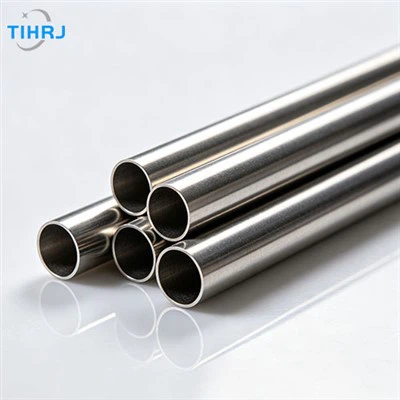
A performance exhaust is a specialized exhaust system designed to improve the efficiency, power, and sound of a vehicle's engine. Unlike standard exhaust systems, which are primarily focused on reducing noise and emissions, performance exhausts are engineered to enhance the overall driving experience. Here's a detailed explanation:
What is a Performance Exhaust?
A performance exhaust system replaces or modifies the stock exhaust system to optimize the flow of exhaust gases from the engine. It typically includes components like headers, high-flow catalytic converters, performance mufflers, and larger-diameter pipes. The goal is to reduce backpressure, increase horsepower, and improve fuel efficiency while producing a more aggressive and sporty exhaust note.
Key Features of a Performance Exhaust
Reduced Backpressure:
Performance exhaust systems are designed with smoother bends and larger-diameter pipes to minimize restrictions in the exhaust flow, allowing gases to exit the engine more efficiently.
Improved Engine Performance:
By reducing backpressure, the engine can "breathe" better, resulting in increased horsepower, torque, and throttle response.
Enhanced Sound:
Performance exhausts often produce a deeper, more aggressive exhaust note, which many enthusiasts find appealing.
Lightweight Materials:
Many performance exhausts are made from lightweight materials like stainless steel or titanium, reducing overall vehicle weight and improving performance.
Customizable Designs:
Performance exhaust systems come in various configurations, allowing drivers to choose a setup that matches their specific needs and preferences.
Components of a Performance Exhaust
Headers/Exhaust Manifolds:
Replace the stock manifolds to improve exhaust gas flow from the engine cylinders.
High-Flow Catalytic Converters:
Reduce emissions while allowing for better exhaust flow compared to stock converters.
Performance Mufflers:
Designed to reduce noise without restricting exhaust flow, often producing a sportier sound.
Larger-Diameter Pipes:
Increase the volume of exhaust gases that can flow through the system, reducing backpressure.
Exhaust Tips:
Often larger or more stylish than stock tips, adding to the aesthetic appeal of the vehicle.
Benefits of a Performance Exhaust
Increased Horsepower and Torque:
Improved exhaust flow allows the engine to operate more efficiently, resulting in higher power output.
Better Fuel Efficiency:
Reduced backpressure can lead to improved fuel economy in some cases.
Enhanced Sound:
A deeper, more aggressive exhaust note adds to the driving experience.
Weight Reduction:
Lightweight materials reduce overall vehicle weight, improving performance and handling.
Customization Options:
Performance exhausts offer a range of designs and sounds to suit individual preferences.
Applications
Performance exhausts are commonly used in:
Sports cars and high-performance vehicles to maximize power and sound.
Trucks and SUVs for improved towing capability and engine performance.
Motorcycles to enhance sound and performance.
Considerations
Legal Compliance:
Ensure the performance exhaust meets local emissions and noise regulations.
Cost:
Performance exhaust systems can be expensive, but the benefits often justify the investment for enthusiasts.
Installation:
Some systems may require professional installation, while others are designed for easy DIY setup.
In summary, a performance exhaust is an aftermarket upgrade that enhances a vehicle's power, efficiency, and sound by optimizing the exhaust system. It's a popular choice for car enthusiasts looking to improve their vehicle's performance and driving experience.