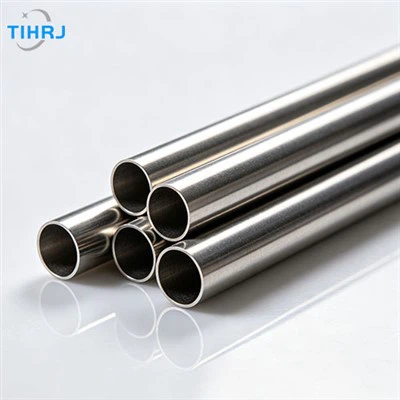
Titanium electronic valve exhaust systems are indeed very popular in the field of car tuning, especially in high-end performance cars and supercar modifications. Its core appeal stems from the combination of unique material properties and intelligent control, so let's talk about why titanium electronic valves are so popular today.
The irreplaceability of titanium alloys
1. Extreme lightweight
For example, the weight of BMW Z4 is reduced by 6.1kg, and the weight of Ferrari 488 is reduced by 35%, and titanium alloy is used to directly improve the thrust-to-weight ratio and handling flexibility.
2. Corrosion and high temperature resistance
Titanium material has long been resistant to high temperatures above 800 °C, while stainless steel is about 600 °C, and is resistant to salt spray and acid rain corrosion, and its life is far higher than that of stainless steel.
3. Vocal qualities
The titanium alloy has a high resonance frequency, and the exhaust sound is crisper and high-pitched. For example, Cadillac CT6 owners report that titanium is sportier than stainless steel, and supercars such as the Ferrari 488 are closer to the track tuning after being upgraded.
The functional value of electronic valve systems
1. Scene adaptive control
Silent mode (valve closed): keep noise low in residential areas/business occasions and comply with regulations (e.g., Mustang owners emphasize "civilized driving does not disturb the people");
Performance mode (fully open valve): Releases high-revving sound and exhaust back pressure to improve power response (measured by Porsche Boxster increased by 6kW + 18.1Nm).
2. Intelligent interactive expansion
It supports remote control, mobile phone APP (such as RES system can read real-time data such as turbine pressure and exhaust temperature), and some brands are even compatible with on-board voice control.
Marketplace applications and user groups
1. Supercar/performance cars: such as Ferrari 488 and Porsche Boxster, users are looking for extreme lightweight and track-level sound.
2. Luxury sports sedans: such as BMW 7 Series and Cadillac CT6/ATS-L, users pursue business/sports mode switching, taking into account low-key and passion.
3. Muscle cars/coupes: such as Ford Mustang and Nissan GTR, users pursue personalized sound + cost-effective performance improvement.
The low-end models are still dominated by stainless steel, and titanium alloy is concentrated in the high-end modification circle with sufficient budget. If you would like to know more, please contact catherine@hiriger.com.